
Home > Formal content of the article
2026-08-21From : 管理员Click : 238

As Jingying International Academy, our exclusive partner school in Hainan, prepares to welcome its first students, an important part of the preparation has been ensuring that teachers are ready not only to teach their subjects, but to create the kind of learning environment we want students to experience from day one.
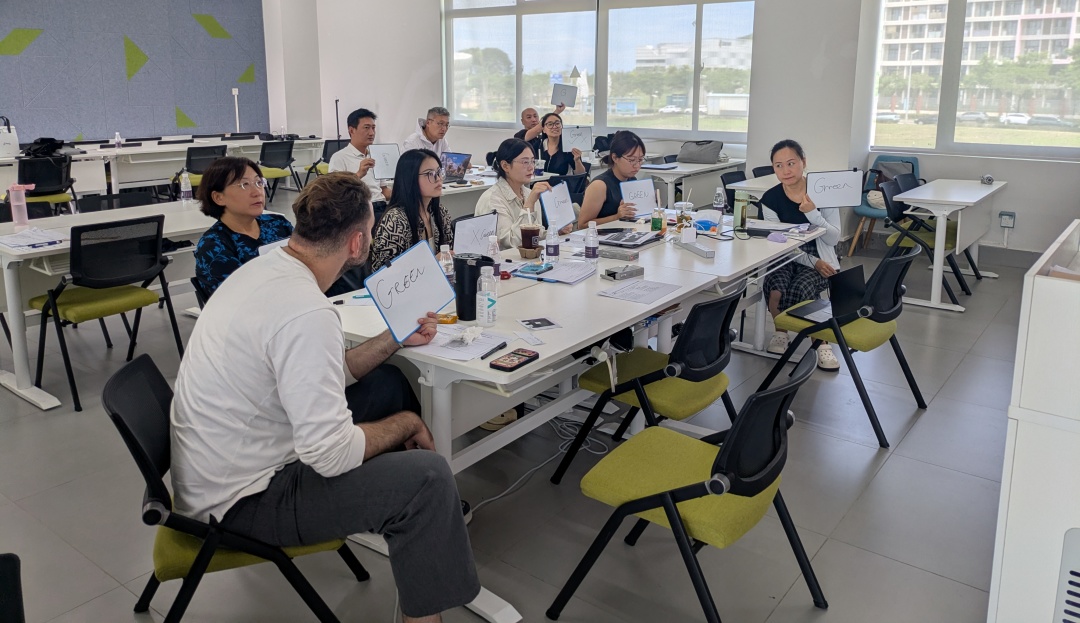
In the first week of August, teachers took part in a six-session professional training programme focused on teaching and learning, ESL instruction, school culture, values, and safeguarding led by Griggs China Academic Director, Lisa Kerr with sessions delivered by Griggs Teaching Specialist, Rob Kerr. With a strong emphasis on practical application, the training was designed to give teachers strategies they can take directly into their classrooms.

Building High-Quality Lessons

The week began with Structuring High Quality Lessons, introducing teachers to the Griggs 4-Phase Lesson Architecture. Teachers explored how effective lessons can move from activating prior knowledge, through focused instruction and active learning, to meaningful consolidation and reflection.
A key focus was the Griggs Learner Profile and the development of students as Seekers, Affirmers and Changers. Teachers also explored ways to maintain high levels of cognitive engagement while ensuring that lessons are accessible to multilingual learners.
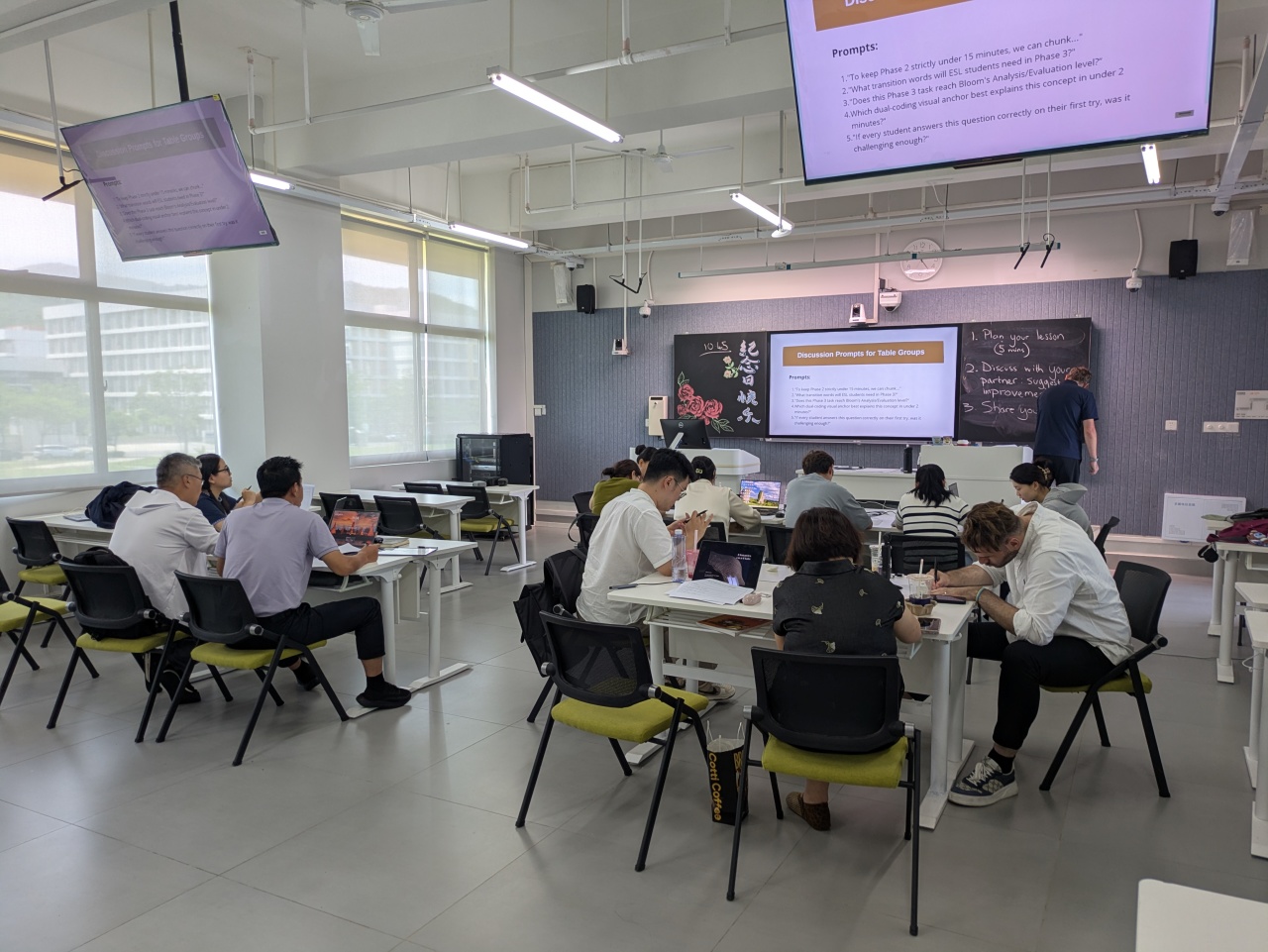
The session was highly practical, with teachers reviewing their own classroom routines and working collaboratively to redesign lessons using the four phases.
Making Learning Accessible
Through ESL and CLIL
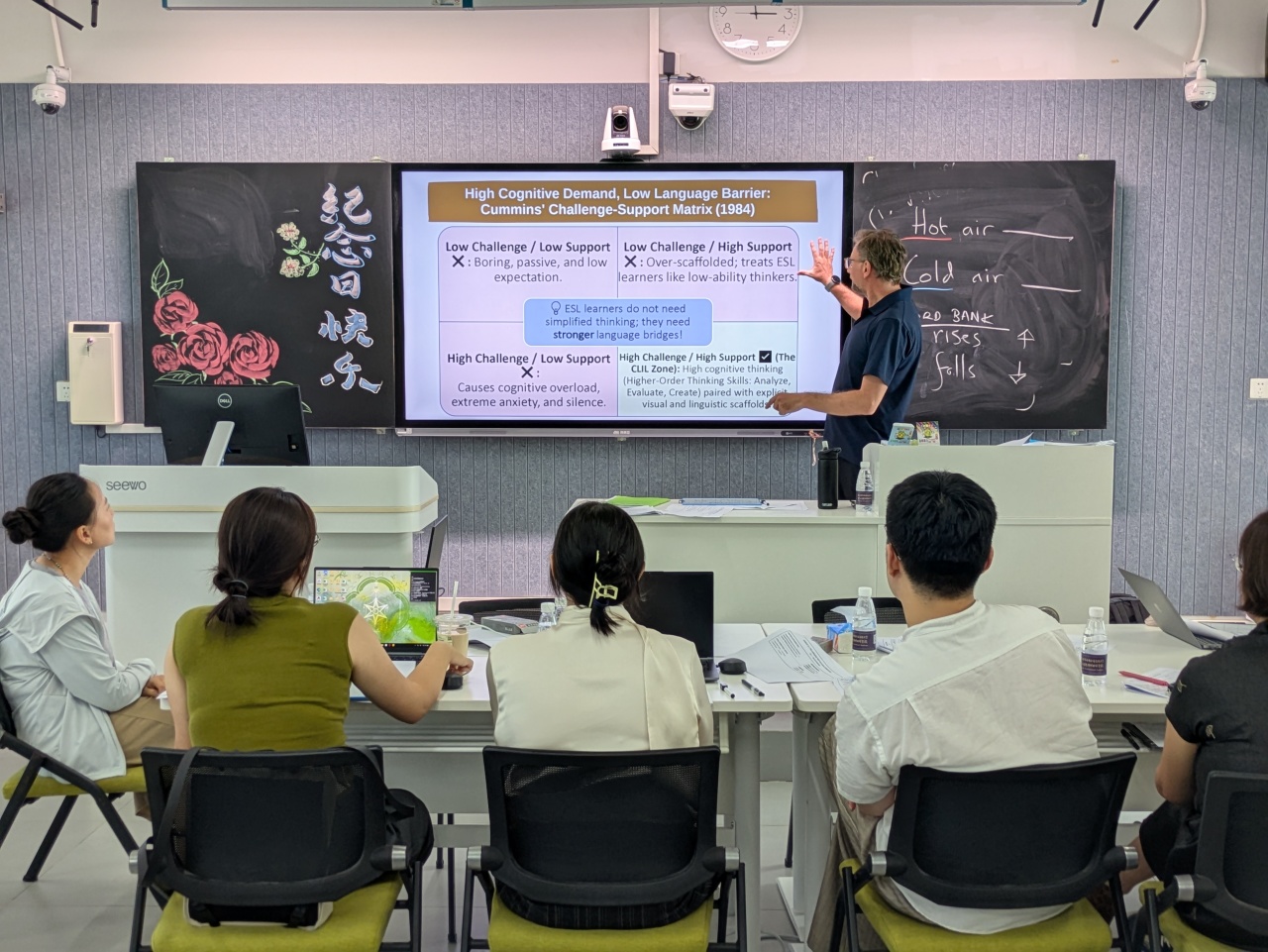
The second session focused on Effective ESL and CLILClassroom Instruction. Teachers examined how content and language learning can be developed together without reducing the academic challenge of a lesson.
The training introduced the four key elements of CLIL—Content, Cognition, Communication and Culture—and explored practical approaches such as dual-focus objectives, visual supports, sentence stems, word banks and structured opportunities for students to use academic language.
Teachers then worked in groups to adapt their own classroom activities, increasing the level of higher-order thinking while providing appropriate language support for students.
Moving from Watching Students to Monitoring Learning
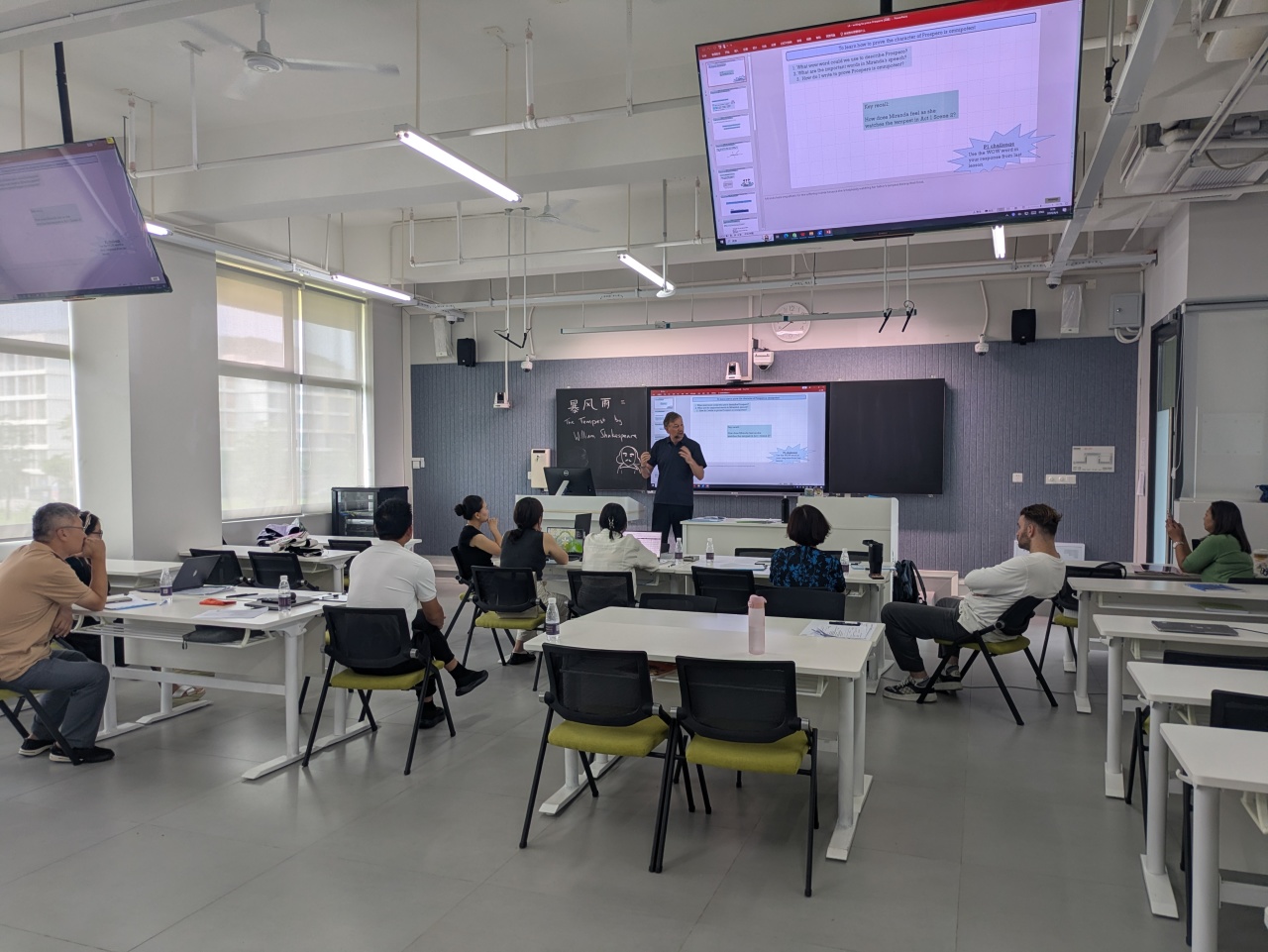
The third session looked at Monitoring Student Learning and challenged teachers to think about the difference between simply watching students and actively gathering evidence of learning.
Teachers explored the Notice → Diagnose → Adapt cycle, considering how they can identify whether a student is struggling because of a content misconception or a language barrier and then respond immediately.
Practical techniques included mini-whiteboards, strategic Think-Pair-Share, warm cold calling, hinge questions and polling. These strategies provide teachers with much more useful “learning” information than simply asking, "Does everyone understand?"
Teachers also explored the importance of giving multilingual learners sufficient processing time and opportunities to rehearse their thinking before sharing with the whole class.
Making Feedback More Effective
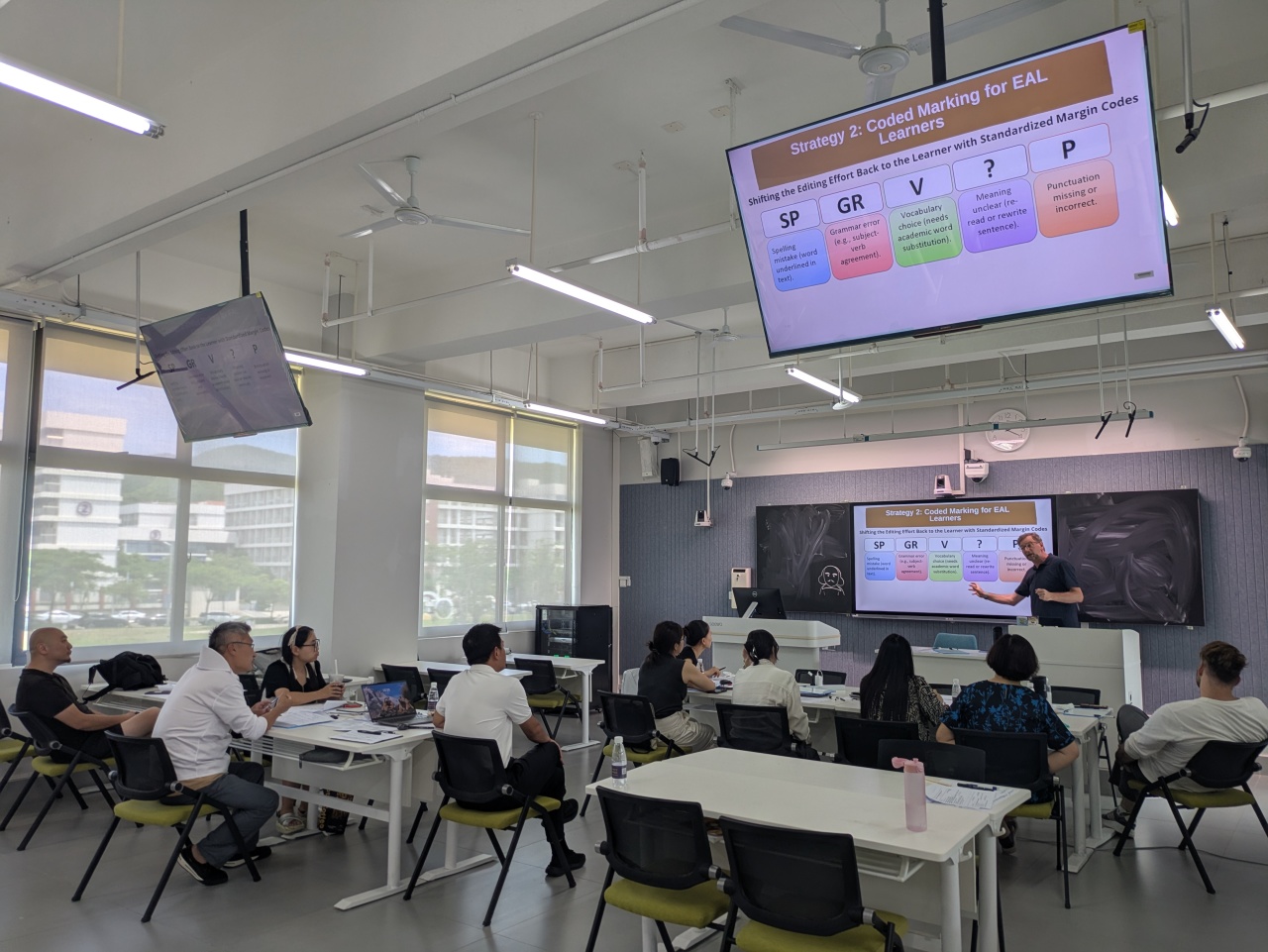
The fourth session focused on Providing Effective Feedback and an important question for every teacher: How can we make feedback more useful for students while also making it more sustainable for teachers?
Rather than relying on extensive written comments that students may never act upon, teachers explored approaches that put students at the centre of the feedback process. Whole-class feedback, coded marking, micro-conferences and DIRT—Dedicated Improvement and Reflection Time—were introduced as ways of encouraging students to engage actively with feedback.
The emphasis was clear: feedback is most valuable when students have the opportunity to do something with it.
Creating a Values-Based School Culture
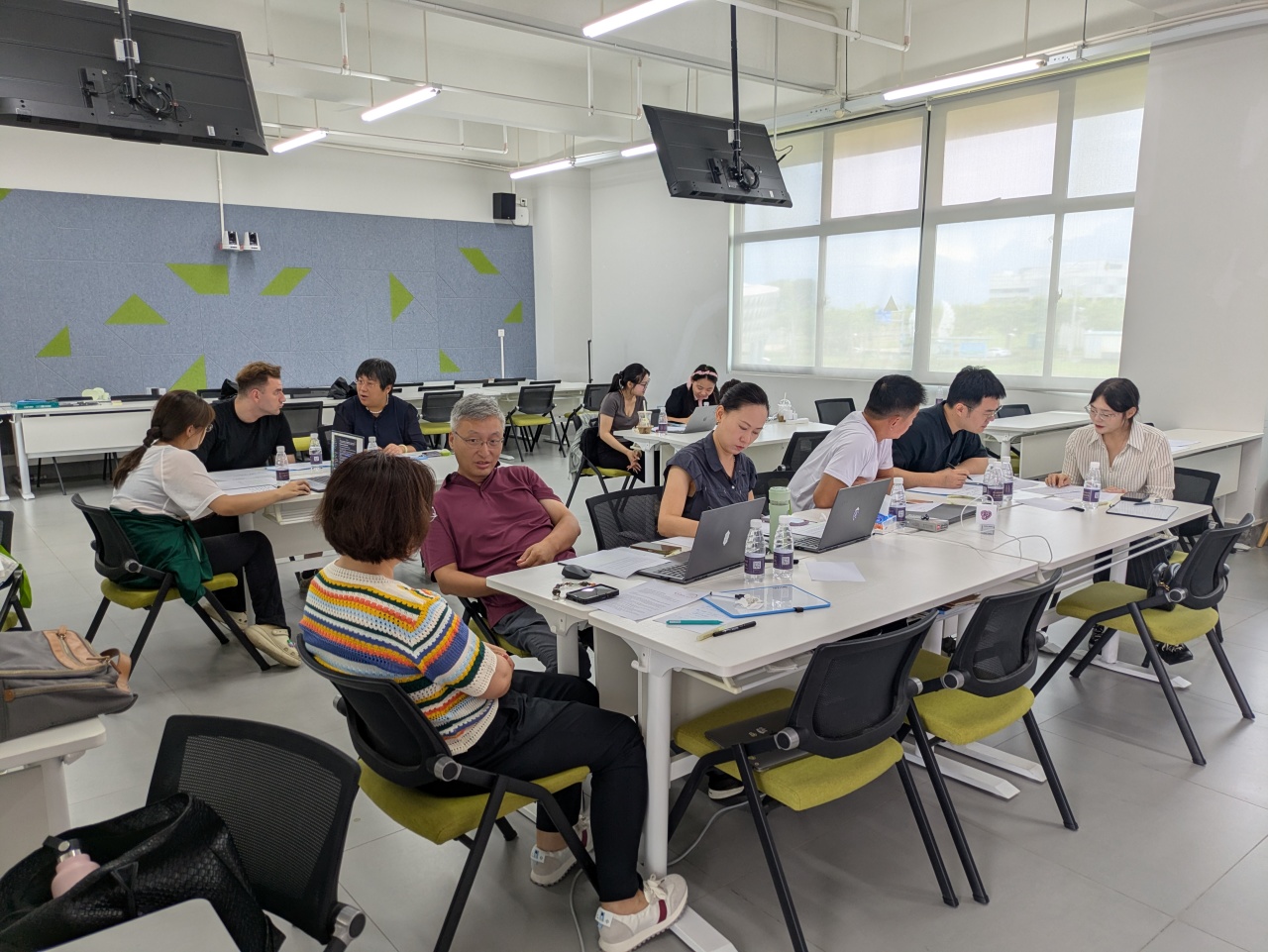
The fifth session broadened the focus from classroom practice to the culture we want to establish at JIA.
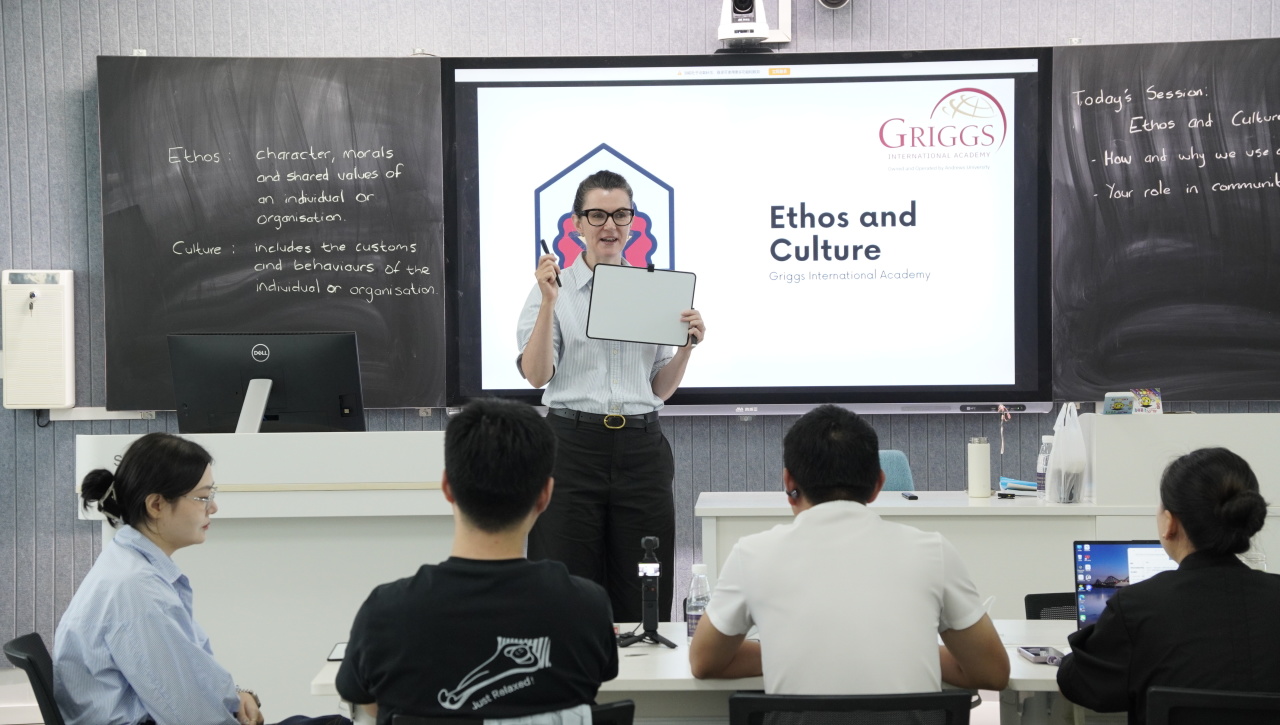
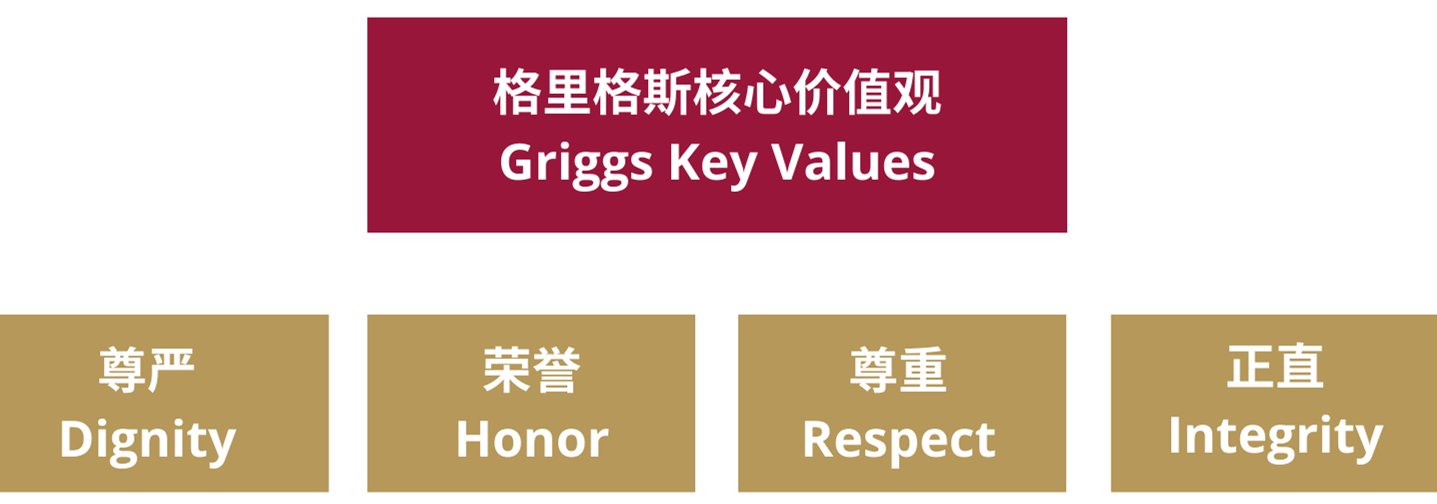
Teachers explored the four Griggs Key Values of Dignity, Honor, Respect and Integrity, considering what these values mean for teachers, students and the wider school community.
An important message from the session was that values should not feel like something artificially added to a lesson simply to meet a requirement. Instead, they should become a natural part of the learning experience and be reflected in the way teachers interact with students, the expectations established in classrooms and the culture of the school.
This session generated particularly strong discussion, giving teachers an opportunity to share perspectives and think about how the values can become visible in everyday school life.
Keeping Students Safe
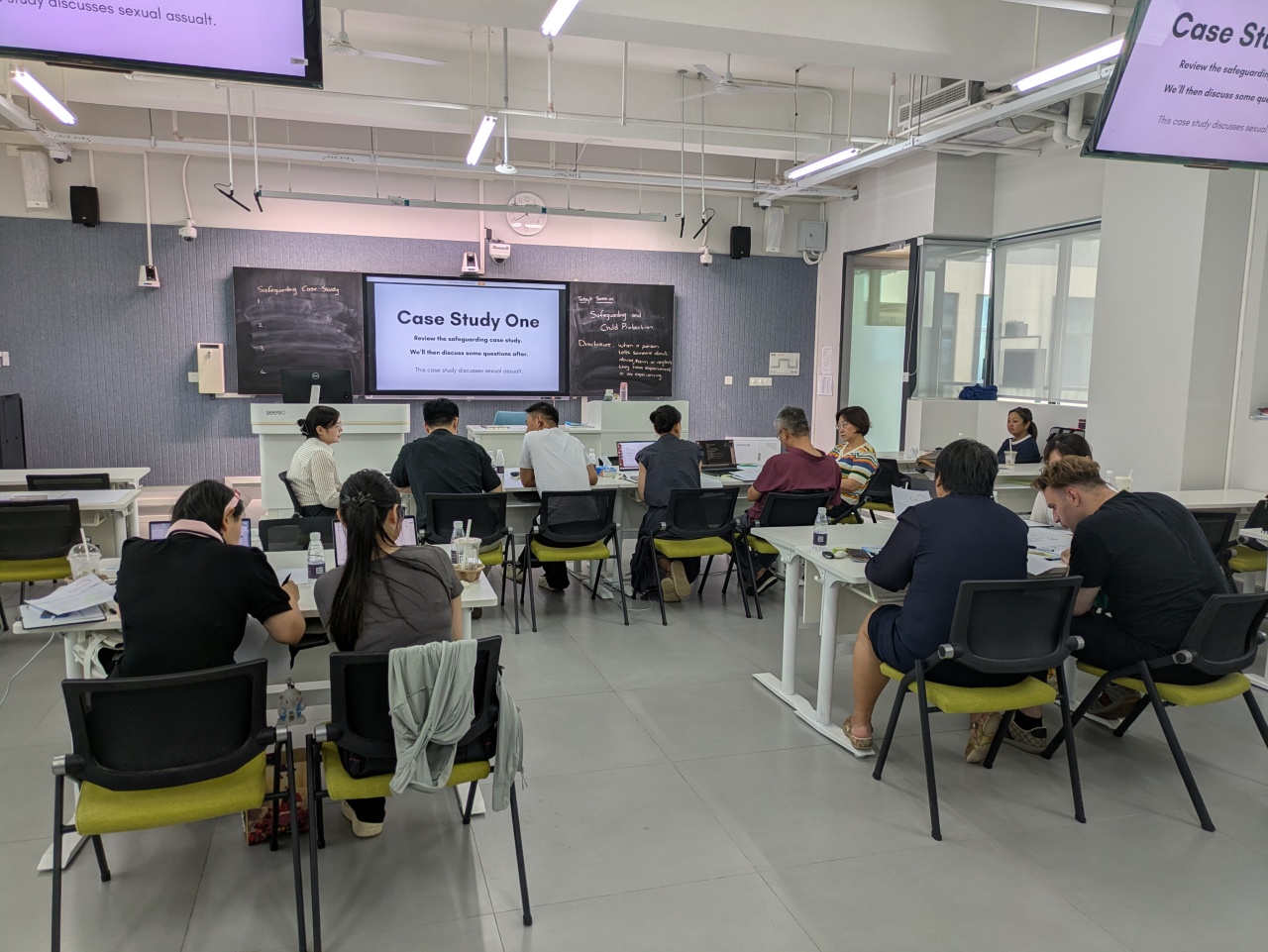
The final session addressed one of the most important responsibilities of any school: Safeguarding and Boundaries.
Teachers examined signs of abuse, responding to concerns, handling disclosures and maintaining appropriate professional boundaries. Case studies encouraged teachers to consider warning signs, the responsibilities of schools and adults, and the importance of creating systems where students feel safe to speak up.
The session also provided practical guidance on responding to a disclosure, including recording information factually, using the child's own words, passing concerns to the designated safeguarding professional and avoiding independent investigation.
Professional boundaries were also explored in detail, including expectations around one-to-one meetings, physical space, gifts, off-campus contact and digital communication.
A Positive and Productive Week
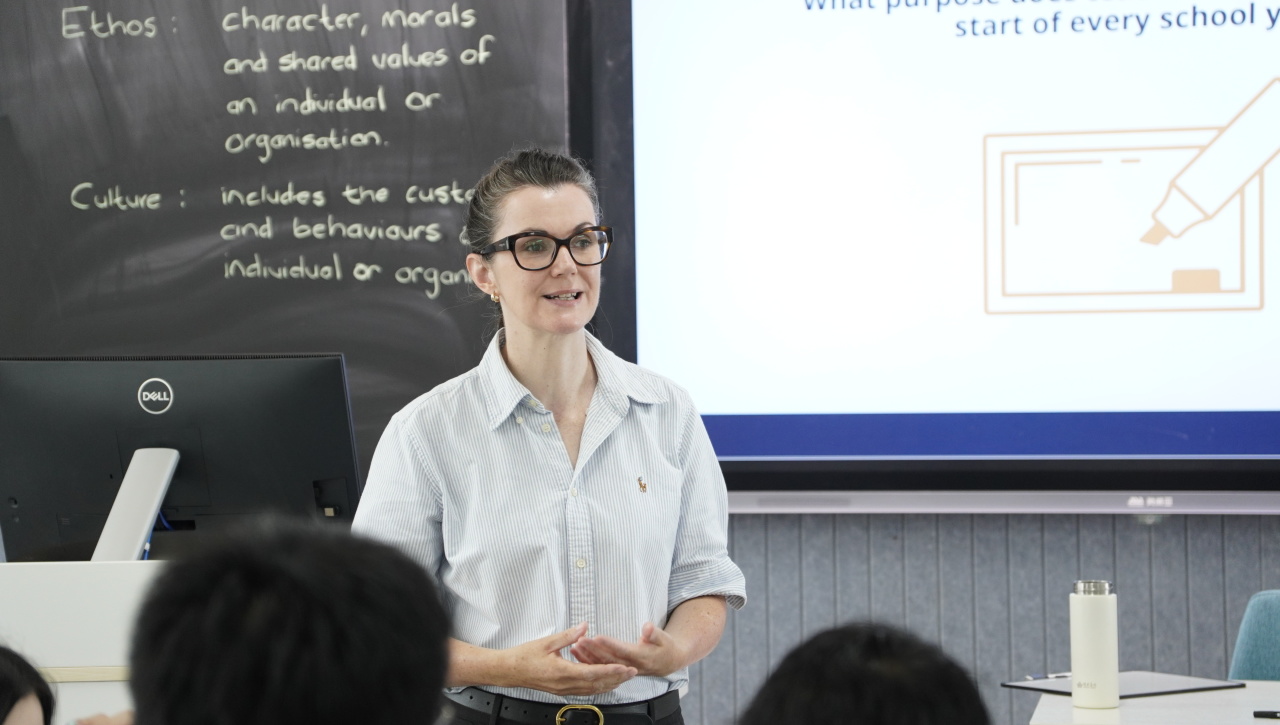
Across all six sessions, teachers were active participants rather than simply recipients of information. They discussed, questioned, collaborated, redesigned lessons, considered case studies and reflected on how the ideas could be applied in their own classrooms.
Feedback from the training was very positive. Teachers particularly valued the practical nature of the sessions, the opportunity to discuss ideas with colleagues, the culture and values activities, the case studies and the opportunity to see teaching approaches demonstrated in practice.
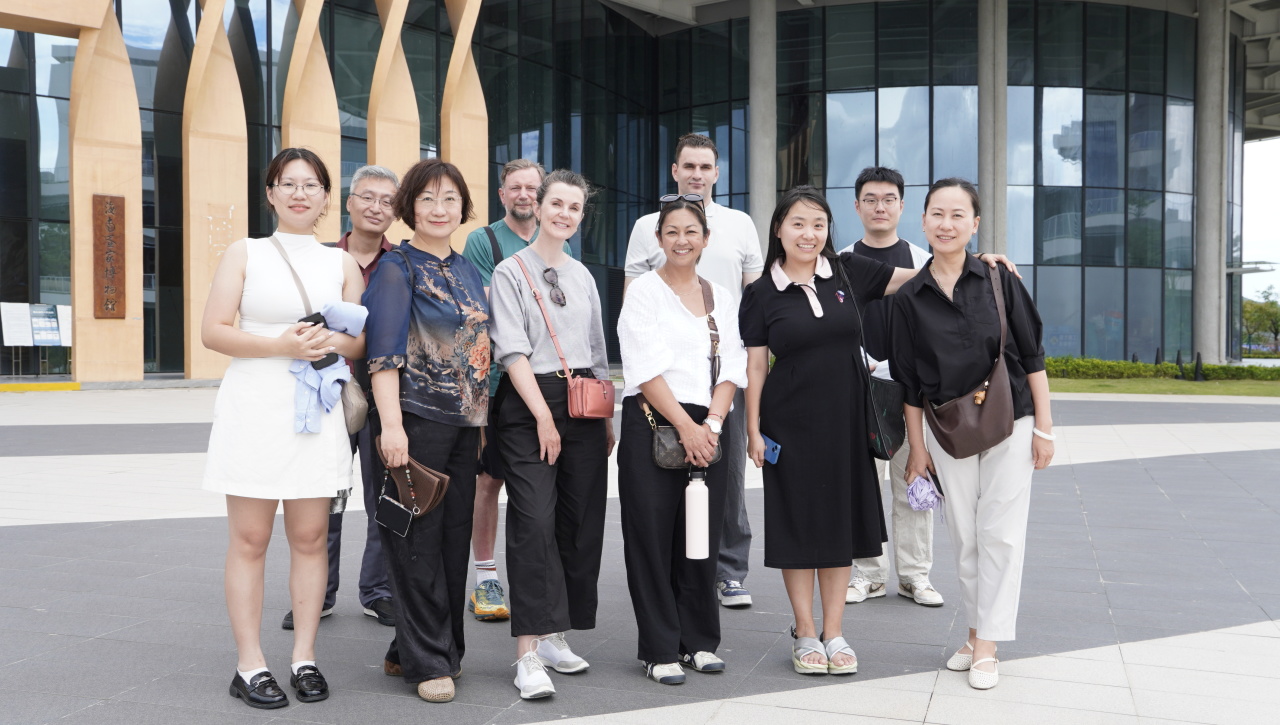
The face-to-face nature of the training was also significant. Being together on site allowed teachers to engage more deeply with one another and connect the training directly to the realities of establishing a new school.
Most importantly, the week has helped establish a shared foundation for teaching and learning at Jingying International Academy. As the school prepares to open its doors, teachers are beginning the year with a common understanding of the importance of high-quality instruction, support for multilingual learners, active student engagement, meaningful feedback, strong values and student safety.
This is only the beginning of that journey. The next step will be putting these ideas into practice—and continuing to learn, reflect and grow together as a professional community.

Griggs China
HongKong : Room 1911, Lee Garden One, 33 Hysan Avenue, Causeway Bay, Hong Kong
Guangzhou : Rm 811, No.10, Guanhong Road, Huangpu District, Guangzhou
Shanghai : Rm 2011, Sky Mansion, No.2077, Huangxing Rd, Yangpu District, Shanghai
Email : admin@griggs.cc / hli@griggs.cc
Griggs Headquarters
Michigan : 8903 U.S. Hwy 31, Berrien Springs, MI, US 49104-1950
Maryland : 12501 Old Columbia Pike, Silver Spring, MD, US 20904
Griggs Europe
Marlins Turn, 23 Hemel Hempstead, Hertfordshire, UK, HP1 3LQ
Griggs Brazil
Email : jose.roberto@griggsk12.com
All content is © Copyright 2025 Griggs International Academy
Griggs China is fully authorized by Griggs International Academy USA to develop and provide services to Griggs School in China. Griggs China is a separate entity from Griggs International Academy USA and is not owned or operated by Andrews University.