
web - site web - site

Home > Formal content of the article

A Day of Professional Learning: Building Stronger Classrooms and Safer Schools

2026-08-25From : 管理员Click : 100

title

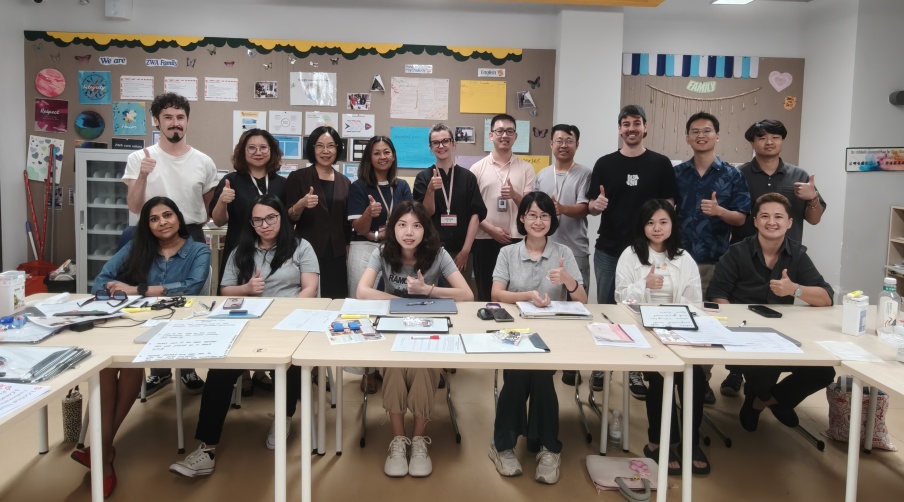
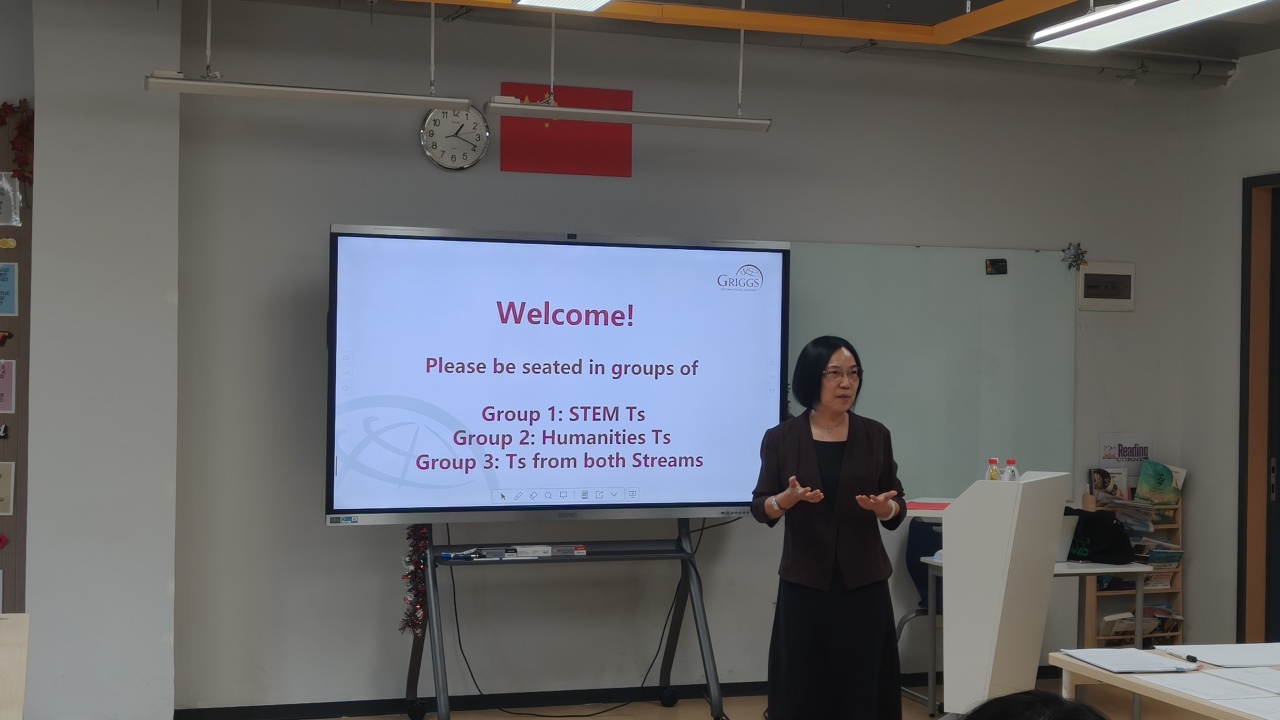
On Thursday, 20 August, teachers from the Griggs American program at ZWIS came together for a full day of professional learning focused on strengthening classroom practice, supporting diverse learners, developing future-ready skills and maintaining a safe and supportive school environment. The training workshops were delivered by  Lisa Kerr, Griggs China Academic Director and Serene Chen, Griggs China Academic Advisor. Observing the training was Jeannie Leiterman, Griggs International Academy Vice Principal and Registrar, who was continuing her tour of Griggs schools in Asia. Her presence at the training showed the strong connection between the Griggs headquarters and Griggs China affiliate schools.


The day brought together four important areas of professional practice: CLIL and Rosenshine’s Principles of Instruction, Differentiation, Project-Based Learning, and Safeguarding and Professional Boundaries. Each session combined practical strategies with opportunities for teachers to reflect on how these approaches can be applied in their own classrooms.

Connecting CLIL with Rosenshine’s 

Principles of Instruction


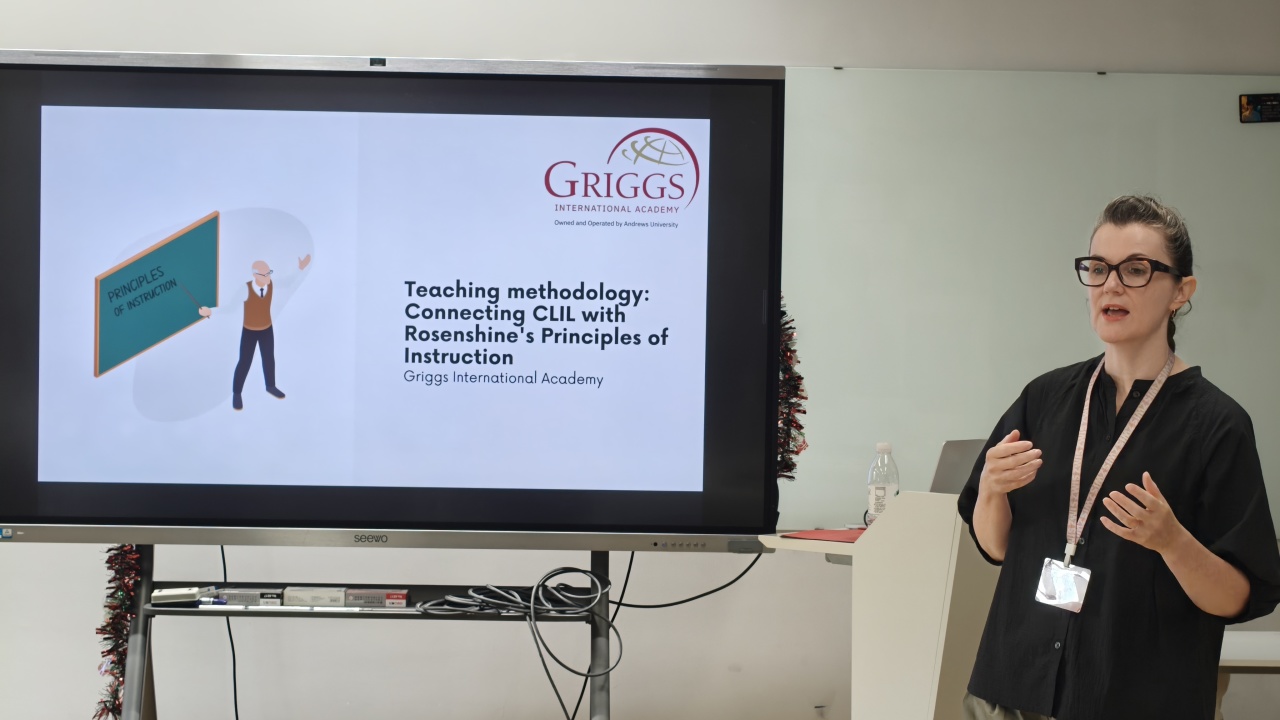
The day began by exploring how Content and Language Integrated Learning (CLIL) can be strengthened through Rosenshine’s Principles of Instruction.

Teachers considered how students learning through an additional language need support not only with the subject content, but also with the language required to access and communicate that content. The session explored practical strategies including daily review, questioning, guided practice and regular checks for understanding.


Teachers looked at ways to use retrieval activities, short oral reviews and mini-quizzes to reinforce both content and academic language. They also explored structured pair and group activities, language frames and teacher-guided practice as ways of helping students develop confidence while engaging with challenging subject material.


Questioning was another important focus. Teachers considered how carefully planned questions can simultaneously check understanding, develop higher-order thinking and encourage students to use academic language.


The session reinforced the idea that effective language support should open the door to challenging learning rather than reduce the level of challenge.


Differentiation: Meeting the Needs of Every Learner


The second session focused on Differentiation and what it means to create classrooms where all students are appropriately challenged and supported.


Teachers explored the misconception that differentiation requires teachers to prepare completely different lessons or worksheets for different groups of students. Instead, the session introduced more flexible and sustainable approaches, including models, sentence starters, optional scaffolds, extension questions and opportunities for student choice.


The training emphasised several key principles: maintaining high-quality curriculum content, providing meaningful learning objectives, offering appropriate challenge, remaining flexible in grouping and pacing, and continually using assessment information to respond to learner needs.


Teachers also worked through practical examples of how a single classroom task could be adapted without lowering expectations. Strategies included vocabulary support, graphic organisers, sentence stems, pair discussion, teacher conferencing, differentiated questioning and extension activities.


The session encouraged teachers to view differentiation not as creating multiple versions of a lesson, but as knowing students well, identifying what they need and making thoughtful adjustments to help them succeed.


Project-Based Learning and 21st-Century Skills


The third session introduced teachers to Project-Based Learning (PBL) and explored its role in developing the skills students need to succeed in an increasingly complex world.

Teachers considered how authentic projects can give students opportunities to develop critical thinking, communication, collaboration, creativity, problem-solving and independence while applying subject knowledge to meaningful challenges.


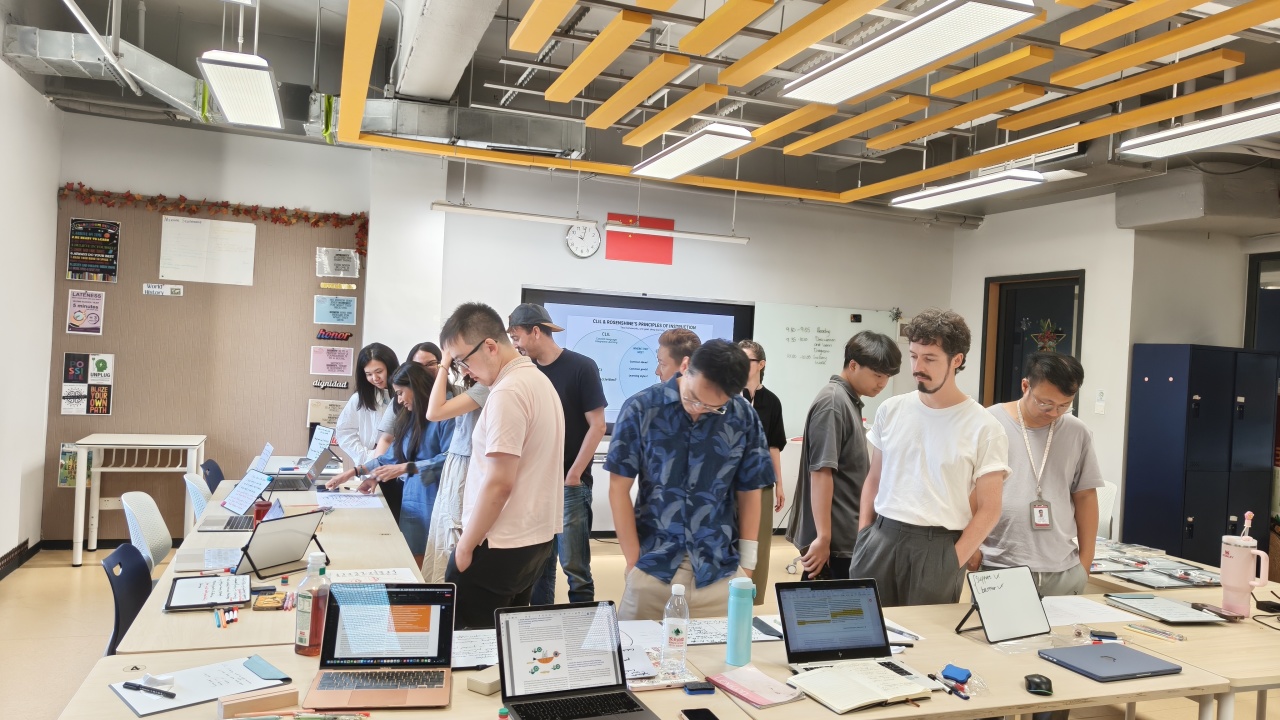
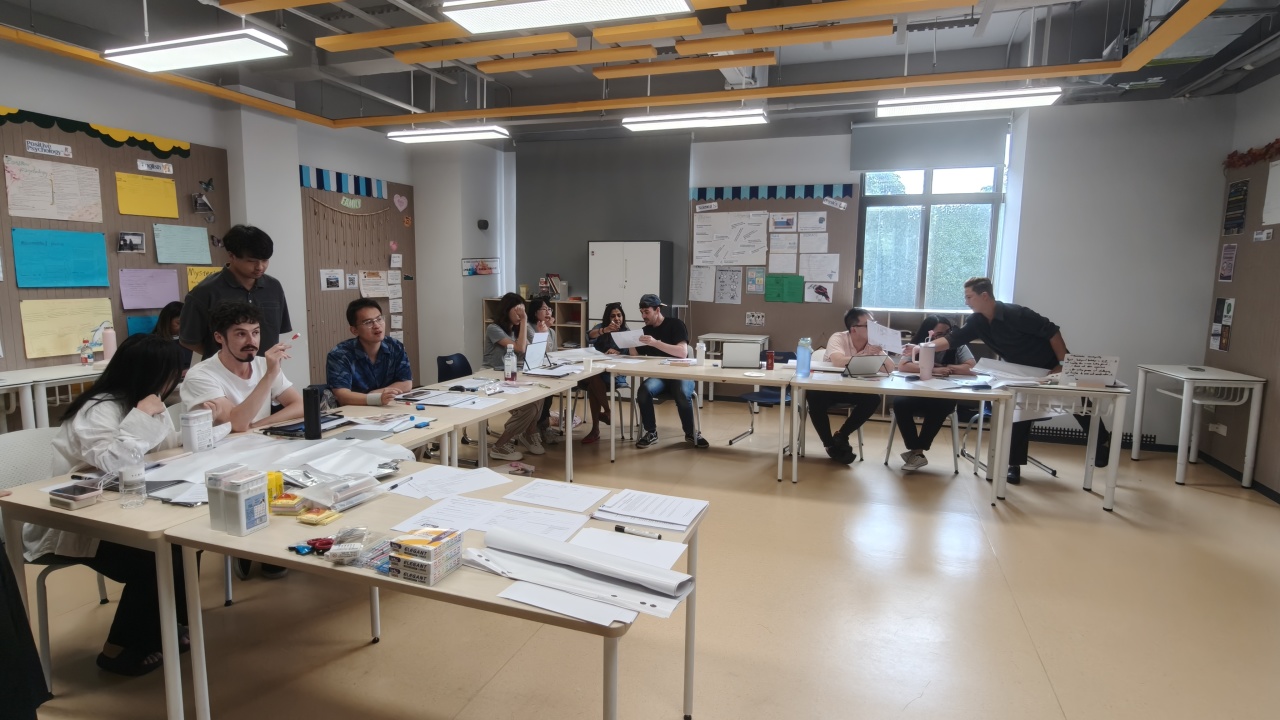
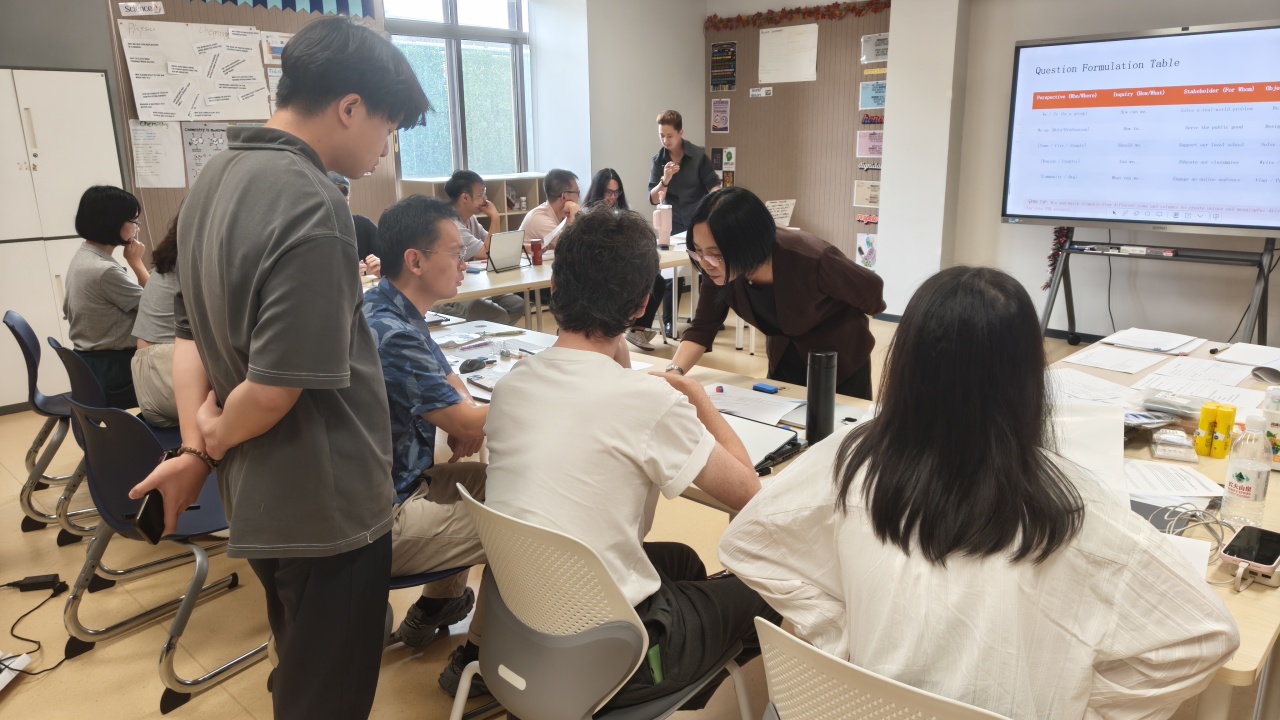
The session guided teachers in both homogeneous and heterogeneous groups through three steps in developing a PBL plan, drawing on their own diverse course teaching experiences and reflections from May 2026: crafting a driving question, selecting a grouping strategy and planning tasks, and designing success criteria and a monitoring process.


Rather than viewing a project simply as an activity or final product, the session encouraged teachers to consider how PBL can provide a structured learning experience in which students investigate questions, apply knowledge, conduct further research, make decisions, work collaboratively and reflect on their learning.


Safeguarding and Professional Boundaries

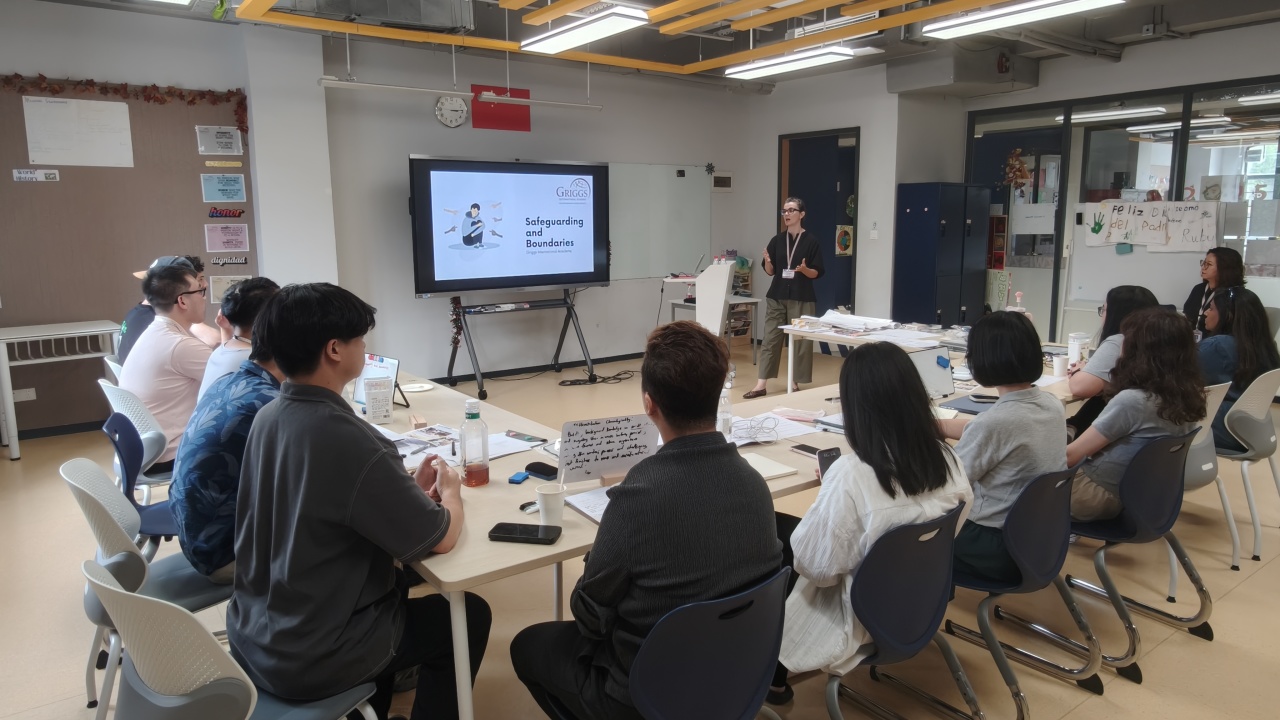
The final session focused on Safeguarding and Professional Boundaries, reinforcing the responsibility every member of staff has to contribute to a safe and supportive school environment.


Teachers explored safeguarding as a proactive responsibility: promoting student welfare while protecting children from harm.


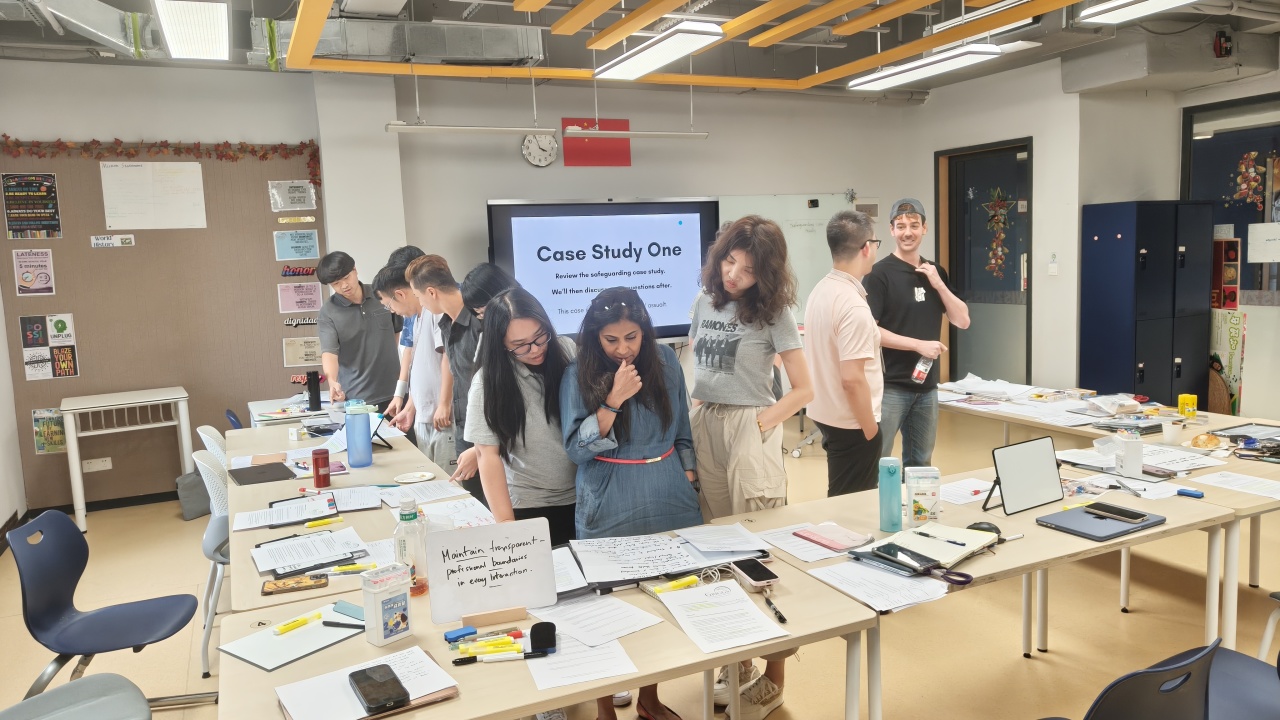
Through case studies and discussion, teachers considered how safeguarding concerns can present themselves and why it is important to recognise changes in student behaviour. Warning signs explored included emotional withdrawal, fear, avoidance and visible distress, as well as concerning adult behaviours such as inappropriate special treatment, isolation, physical contact, emotional manipulation and controlling behaviour.


A strong emphasis was placed on having clear procedures for reporting and escalating concerns, ensuring that students have safe ways to seek help, and creating a culture in which concerns are taken seriously.


Professional boundaries were also examined, including the importance of clear expectations around teacher-student relationships and interactions outside the classroom.


From Training to Classroom Practice


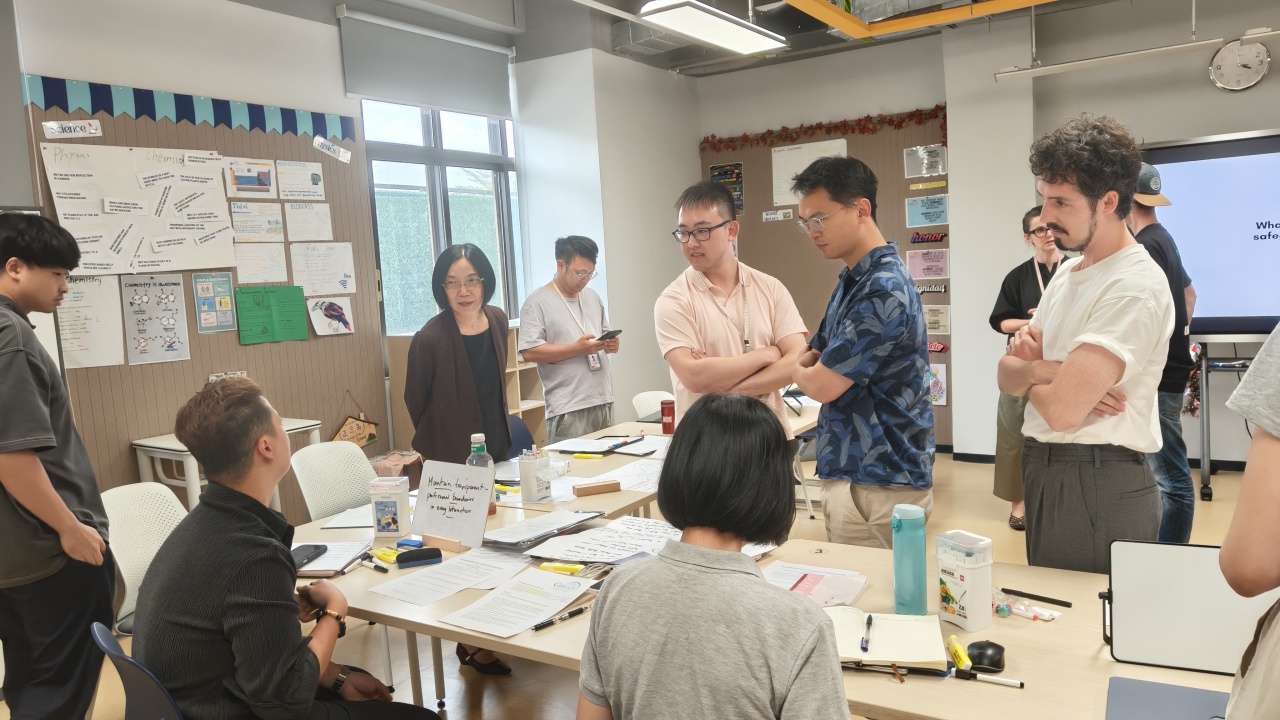
The day provided teachers with an opportunity not only to learn new strategies, but to reflect on how those strategies will influence their practice throughout the coming school year.
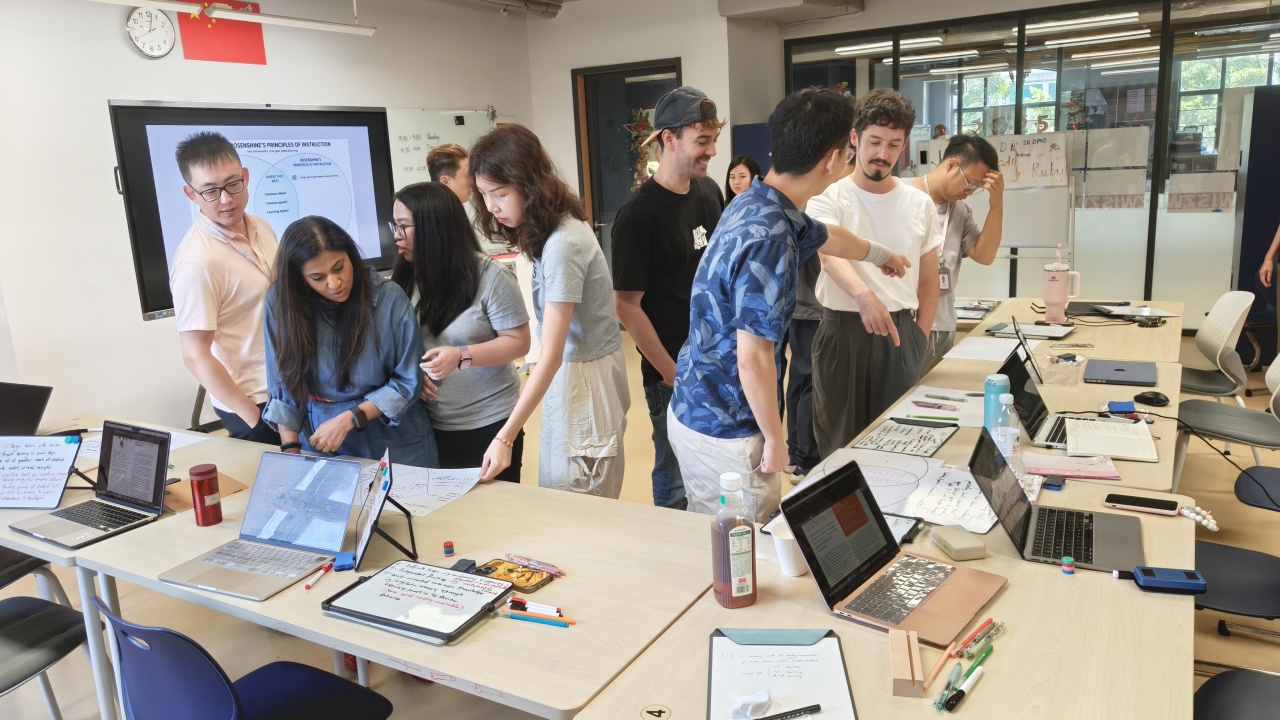

Across the sessions, several common themes emerged: high expectations, appropriate support, active student participation, thoughtful questioning, collaboration, professional responsibility and student wellbeing.


Most importantly, the training emphasised that effective education is about more than delivering curriculum content. It is about creating classrooms where students are challenged to think deeply, supported when they need it, encouraged to work with others and able to learn in a safe and respectful environment.


As the new school year approaches, the professional learning undertaken on 20 August provides a strong foundation for teachers to translate these ideas into meaningful classroom practice.


Conclusion


A sincere thank you to ZWIE for its continued support and to all of the teachers for their engagement, collaboration and openness throughout the training day. A special thank you to Emma Li, the Program Coordinator, for her unwavering support of teachers and dedication to the collaboration with Griggs. It was encouraging to see the consistent effort and professionalism shown by the teaching team, and their ongoing commitment to providing high-quality learning experiences and lessons for students. This shared commitment to professional growth and student success is an important foundation for continued progress throughout the school year.



title


CONTACT

qrcode

Griggschina

qrcode

For Partnership

qrcode

WeChat Video

qrcode

TikTok

Griggs China

HongKong : Room 1911, Lee Garden One, 33 Hysan Avenue, Causeway Bay, Hong Kong

Guangzhou : Rm 811, No.10, Guanhong Road, Huangpu District, Guangzhou

Shanghai : Rm 2011, Sky Mansion, No.2077, Huangxing Rd, Yangpu District, Shanghai

Email : admin@griggs.cc / hli@griggs.cc

Griggs Headquarters

Michigan : 8903 U.S. Hwy 31, Berrien Springs, MI, US 49104-1950

Maryland : 12501 Old Columbia Pike, Silver Spring, MD, US 20904

Griggs Europe

Marlins Turn, 23 Hemel Hempstead, Hertfordshire, UK, HP1 3LQ

Griggs Brazil

Email : jose.roberto@griggsk12.com

All content is © Copyright 2025 Griggs International Academy

Griggs China is fully authorized by Griggs International Academy USA to develop and provide services to Griggs School in China. Griggs China is a separate entity from Griggs International Academy USA and is not owned or operated by Andrews University.