
Home > Formal content of the article
2026-09-01From : 管理员Click : 137



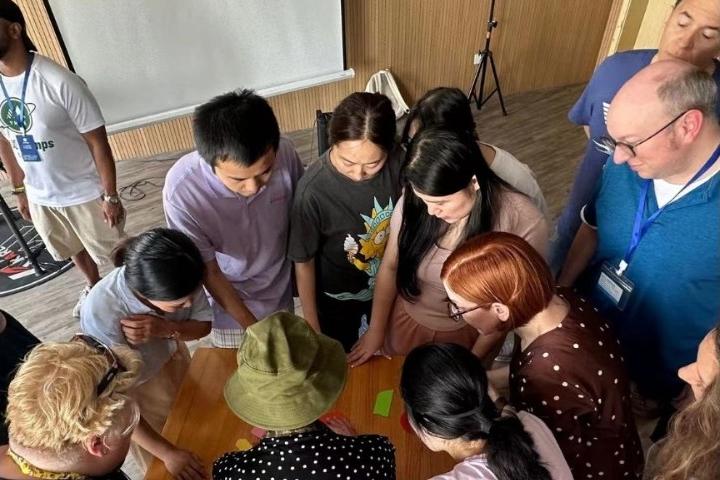
As an international curriculum teacher, have you ever run into these frustrations: group projects that buzz with activity, yet a few students always seem to coast along? Or students piling up research materials, only to present a patchwork of information with little depth of thought?
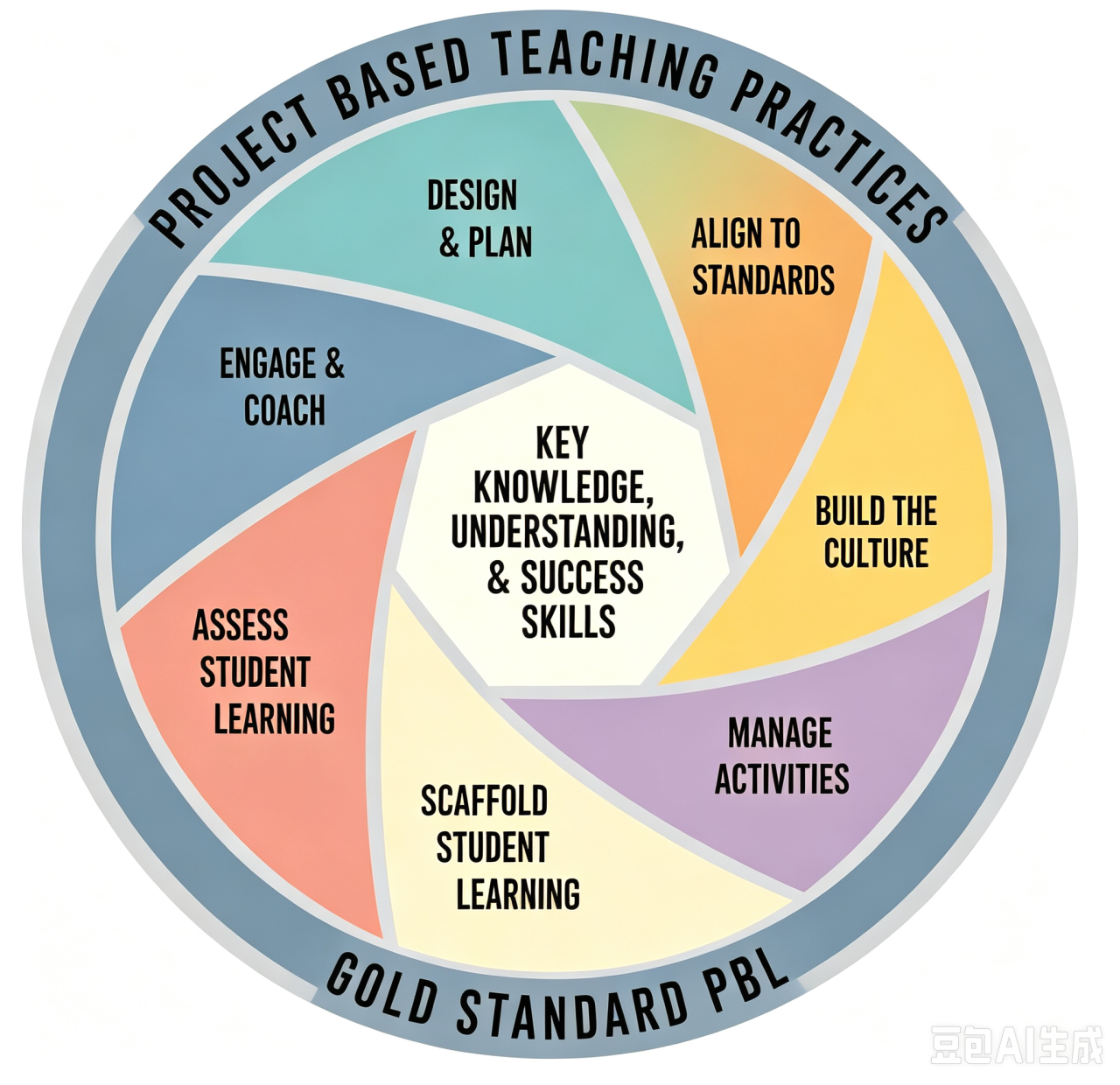
Perhaps it’s time to truly DO PBL (Project-Based Learning). It’s far more than a buzzword in international programs—it’s an instructional operating system that transforms “knowledge” into “competencies” and “mindsets”. Yet many first attempts derail into little more than elaborate craft projects or fancy PPT reports.
Don’t worry. Authentic PBL is not a black box. This guide walks you through a workshop-style introduction designed for beginners, distilling a standardized, classroom-ready process you can put to use next semester—in the shortest time possible.


I. Rethinking PBL: It’s Not Just “Doing a Project”
Clarifying the Misconception: The Core Is a Real-World Problem
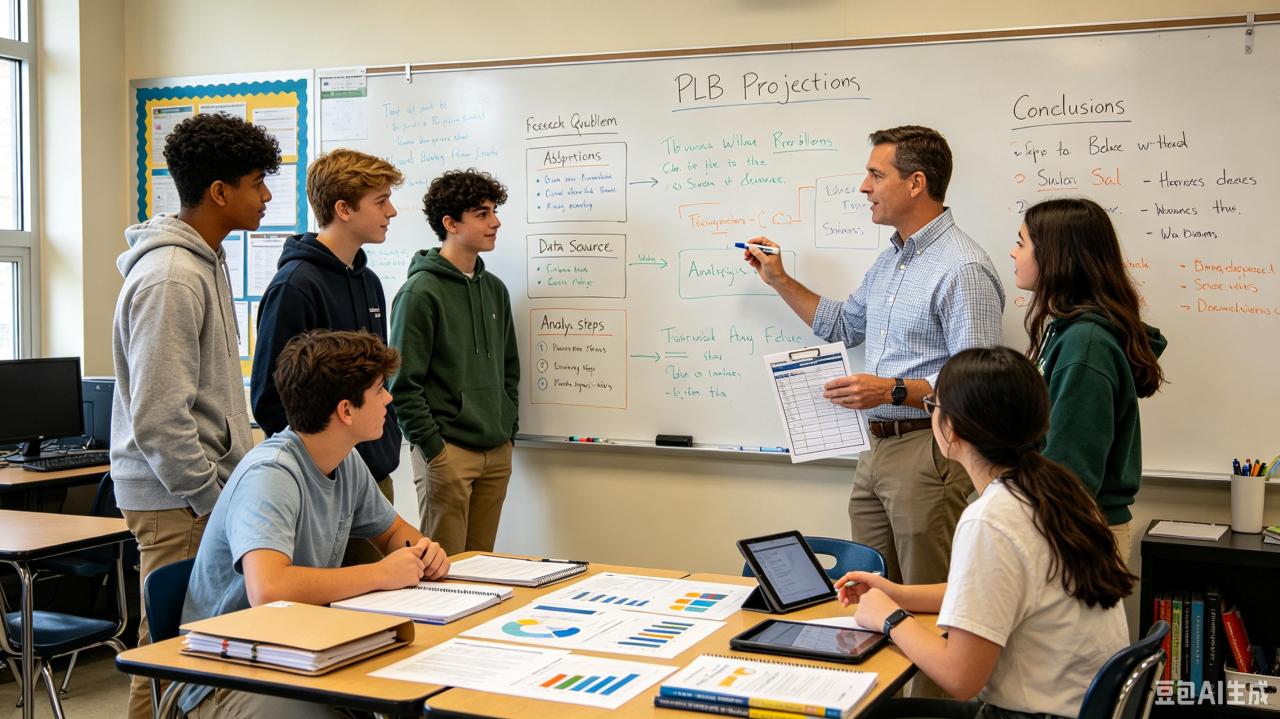
PBL is not a “dessert course” tacked onto regular instruction. At its heart, it revolves around authentic problems—drawn from students’ current lives, social issues, or future workplace contexts—that require them to learn and explore through a sequence of tasks. In traditional lecturing, students are passive receivers; in PBL, they become active learners driven by the need to solve a meaningful problem.
For example, instead of asking students to memorize “supply and demand” in the course of economics, have them design a feasible “campus café operation plan” for the school. The process of tackling that real challenge is where the deepest learning happens.
Why Is PBL So Widely Adopted in International Curricula?
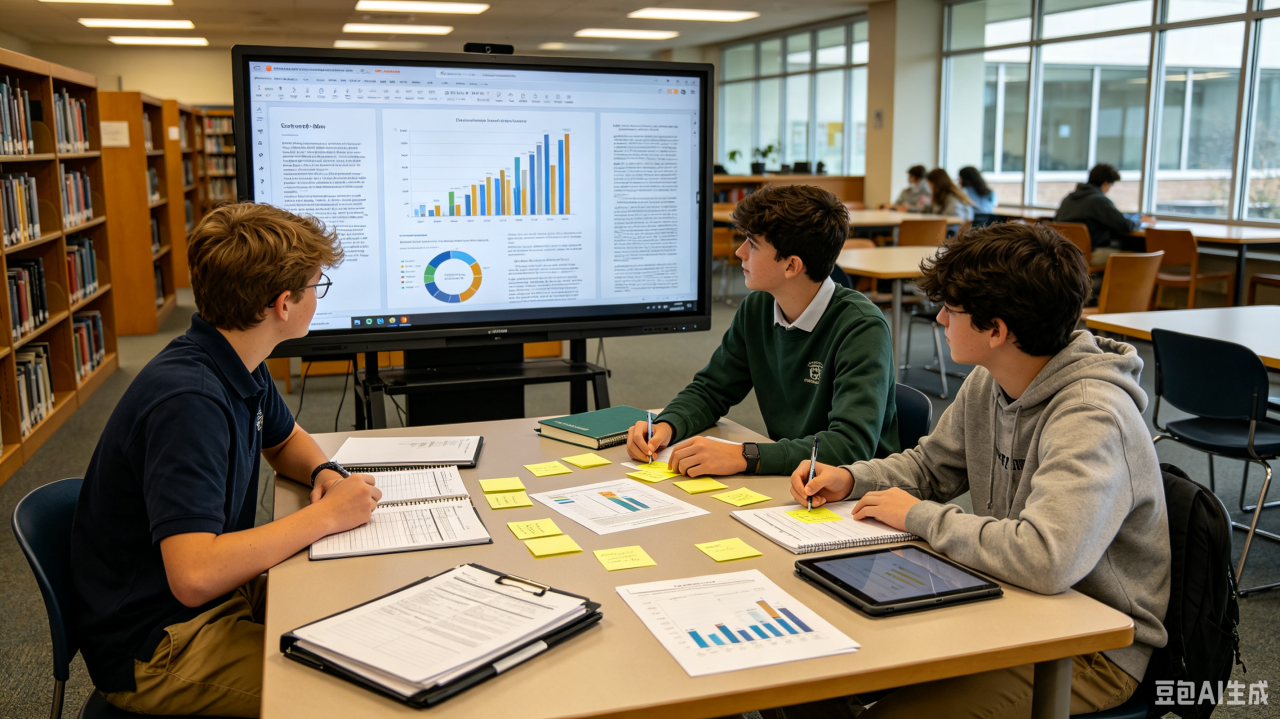
Because it directly targets the 21st-century core competencies: critical thinking, collaboration, effective communication, self-directed learning, and creativity. These cannot be acquired through rote memorization; they must be exercised in the messy work of solving complex problems. And that is precisely the embryonic “academic potential” and “leadership” that top universities look for in applicants.
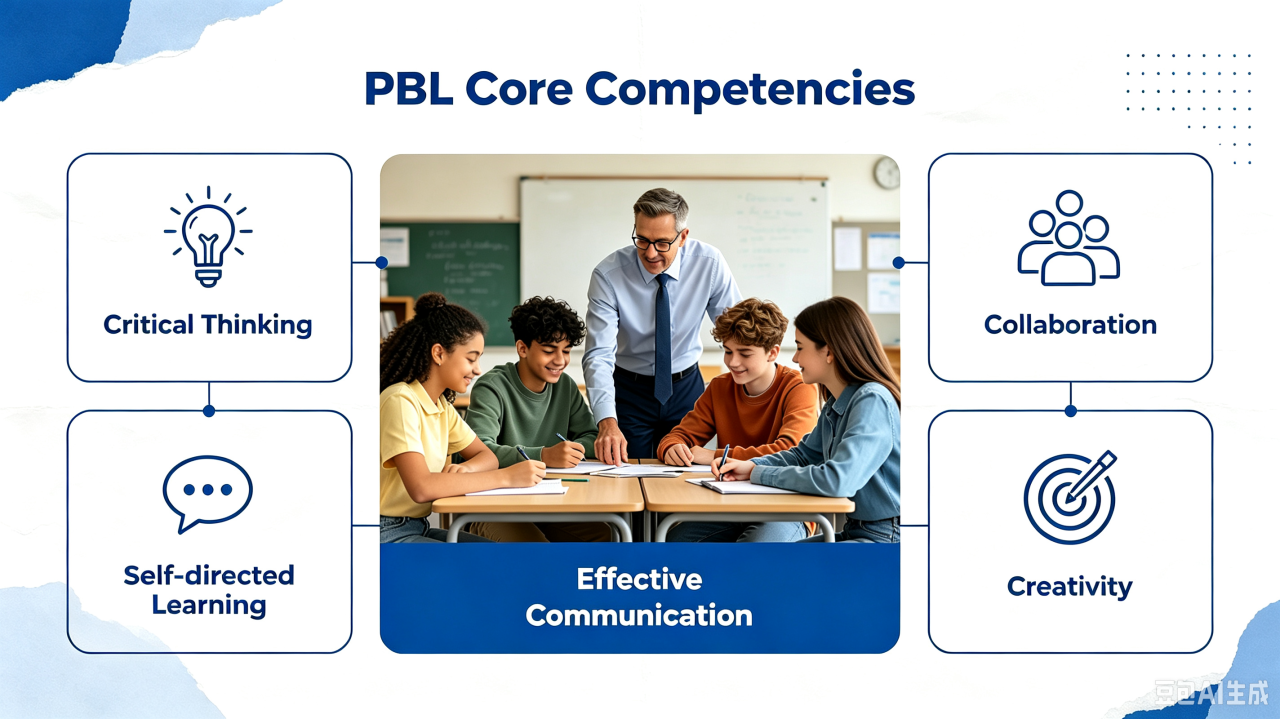
II. The Two Faces of PBL: Distinguishing “Narrow” from “Broad
PBL commonly takes two forms. Understanding the distinction is key to a successful start for novice teachers.
“Narrow” PBL (Problem-Solving Model): Primarily discipline-based, aiming for a concrete solution (e.g., a proposal, a product prototype). It fits daily classroom instruction, reinforcing knowledge through application.
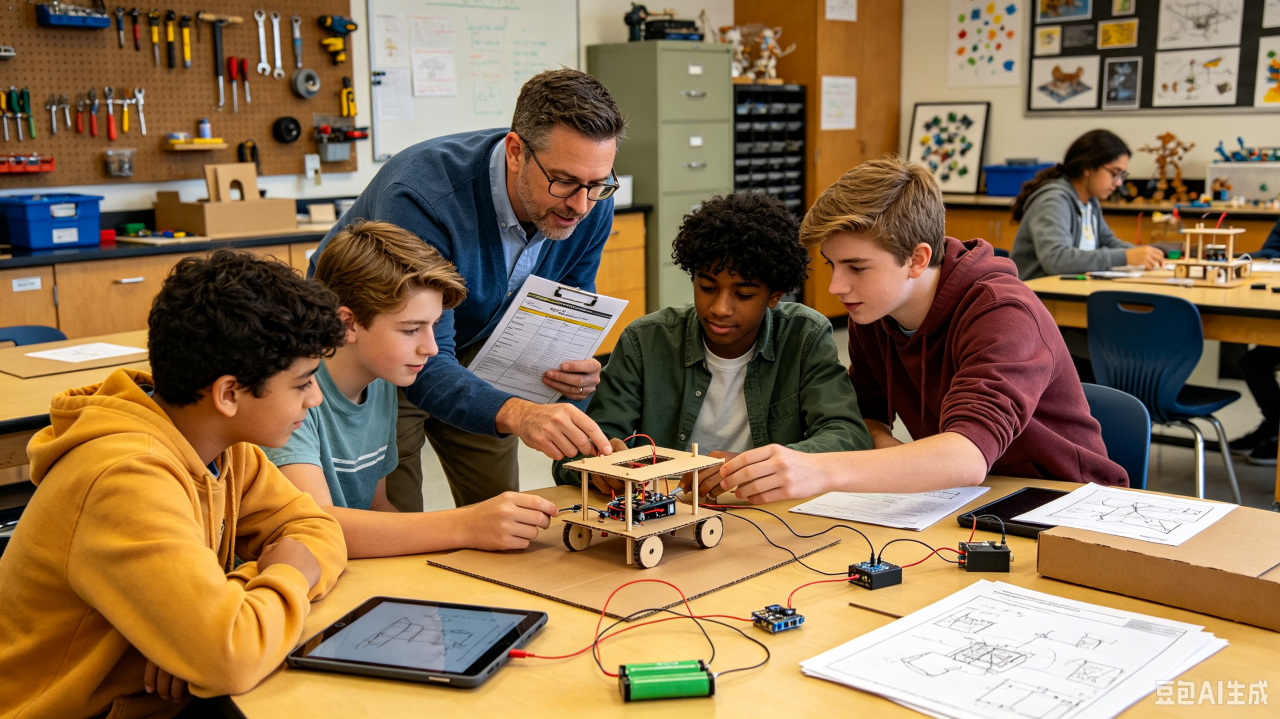
“Broad” PBL (Inquiry-Exploration Model): More interdisciplinary and open-ended, focused on deep inquiry that yields evidence-backed academic arguments or advocacy. This mirrors mini-academic research and suits advanced courses (e.g., AP Seminar) or academic competition preparation.
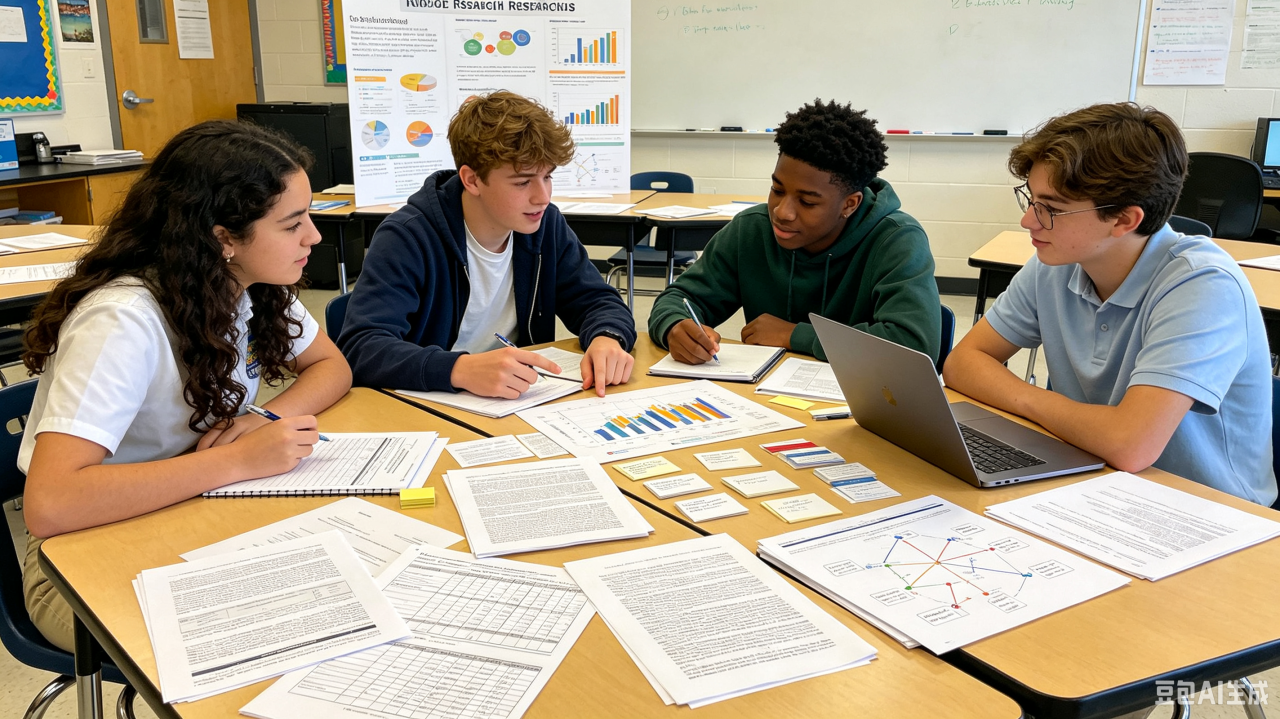
Advice for starters: For most teachers new to PBL, beginning with a single-subject, “narrow” project is the lowest-risk, highest-yield choice. Even so, such projects inevitably involve information search, analysis, and synthesis beyond the textbook—building research skills that lay a foundation for higher-level academic studies.
III. The Five-Step PBL Playbook: A Replicable Classroom Process
This is the “meat” of our workshop—a standardized procedure that even a first-time teacher can implement with ease.
Step 1: Define Project Positioning and Craft the Driving Question
Determine whether your project is “single-subject knowledge application” or “interdisciplinary competency synthesis.” This decides depth and resource investment. The driving question should stem from course content and connect to real life, social topics, or future career scenarios. A useful template: “How can we use [X knowledge/technology] to address a real pain point and create [Y value/outcome]?”

Step 2: Strategic Grouping and Role Assignment
Avoid the pitfalls of free-choice grouping—cliques and free-riding. Instead, form heterogeneous groups based on ability, and assign clear roles (e.g., Team Leader, Researcher, Recorder, Presenter) via a role-distribution chart. This ensures every member is seen and contributes in an organized manner. Crucially, each role leads that area of work, but is not the sole doer—responsibility is shared.
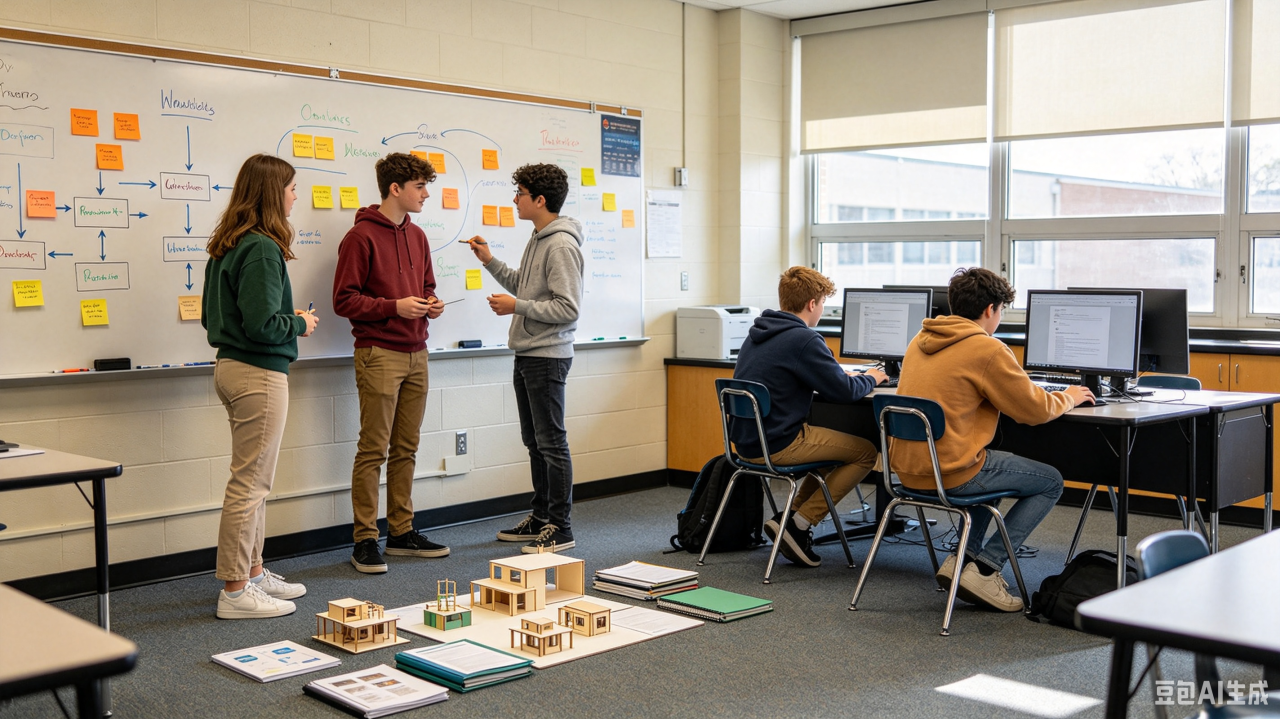
Step 3: Design Tasks and Define Success Criteria
Before the project begins, make the final product and evaluation rubric explicit to students. A clear set of criteria guides their efforts and serves as objective assessment later. Effective success criteria typically cover four core PBL components: Problem Analysis, Solution Feasibility, Collaboration, and Final Presentation.
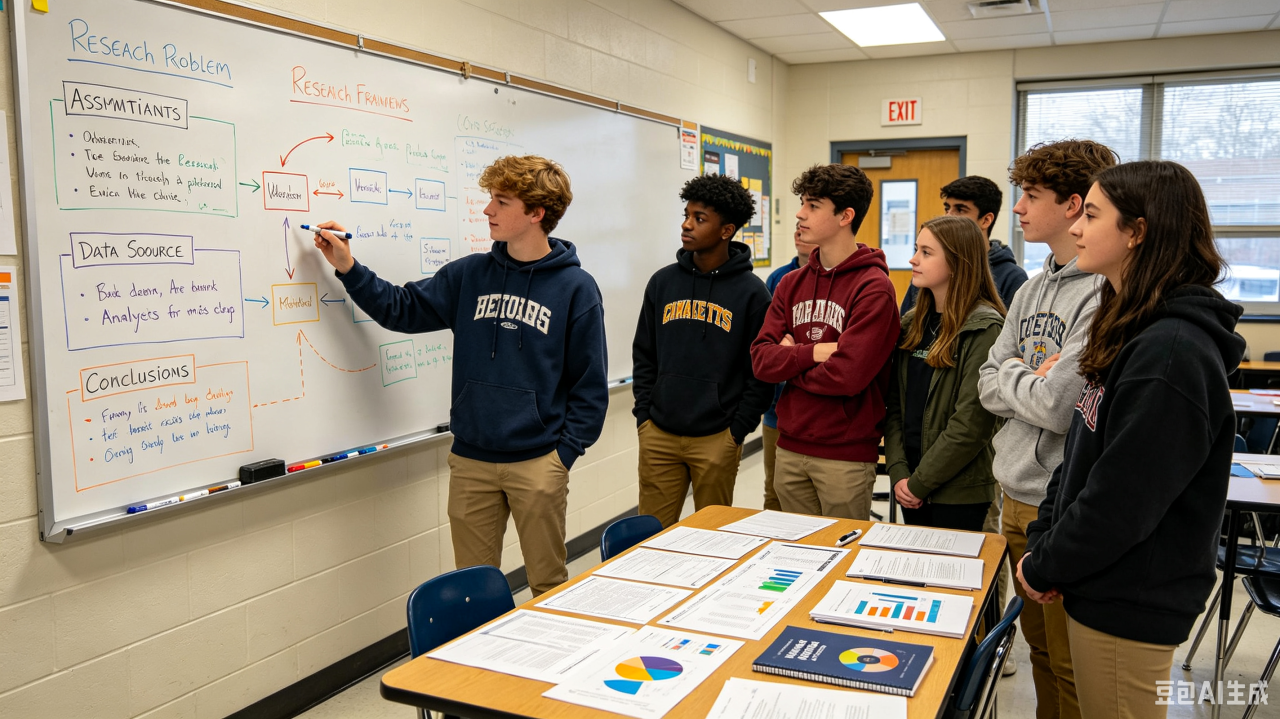
Step 4: Monitor Progress and Provide Timely Feedback
PBL’s greatest enemy is the “hands-off” approach. Teachers should regularly check in on group progress and organize mid-point presentations. This not only keeps teams on track but also fosters cross-group learning and builds a portfolio of formative assessment evidence.
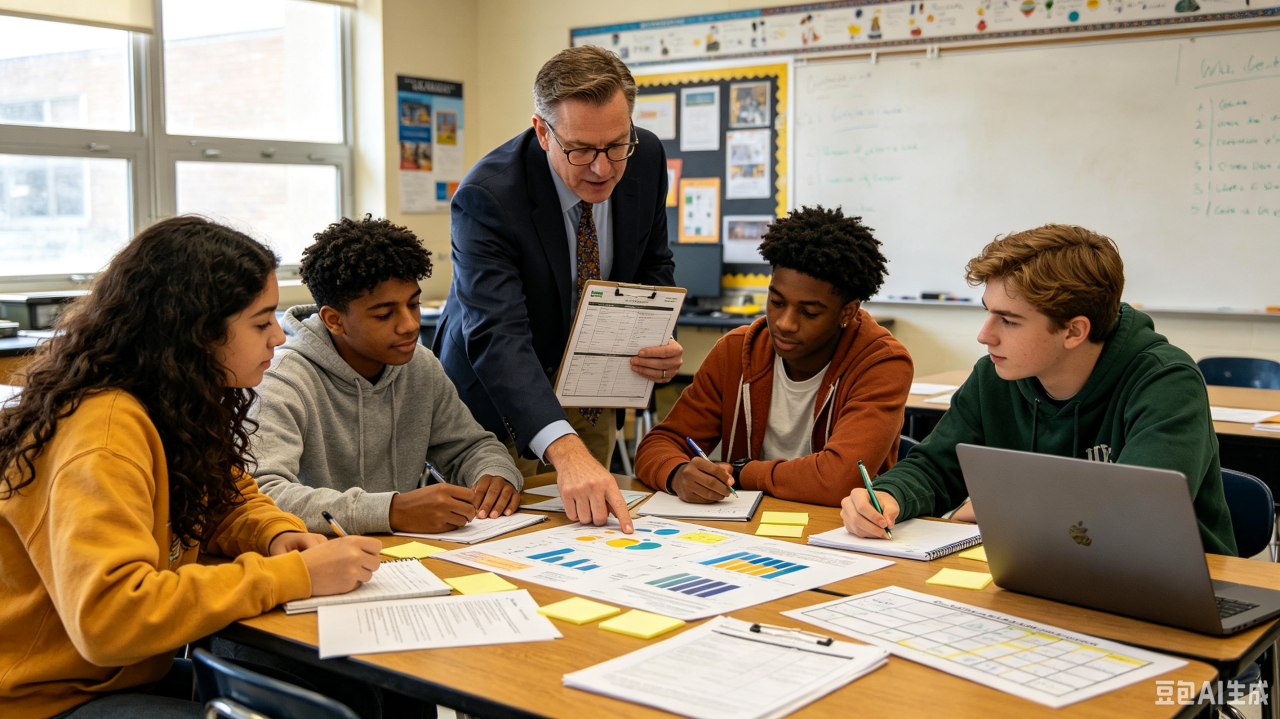
Step 5: Public Presentation and Reflective Debrief
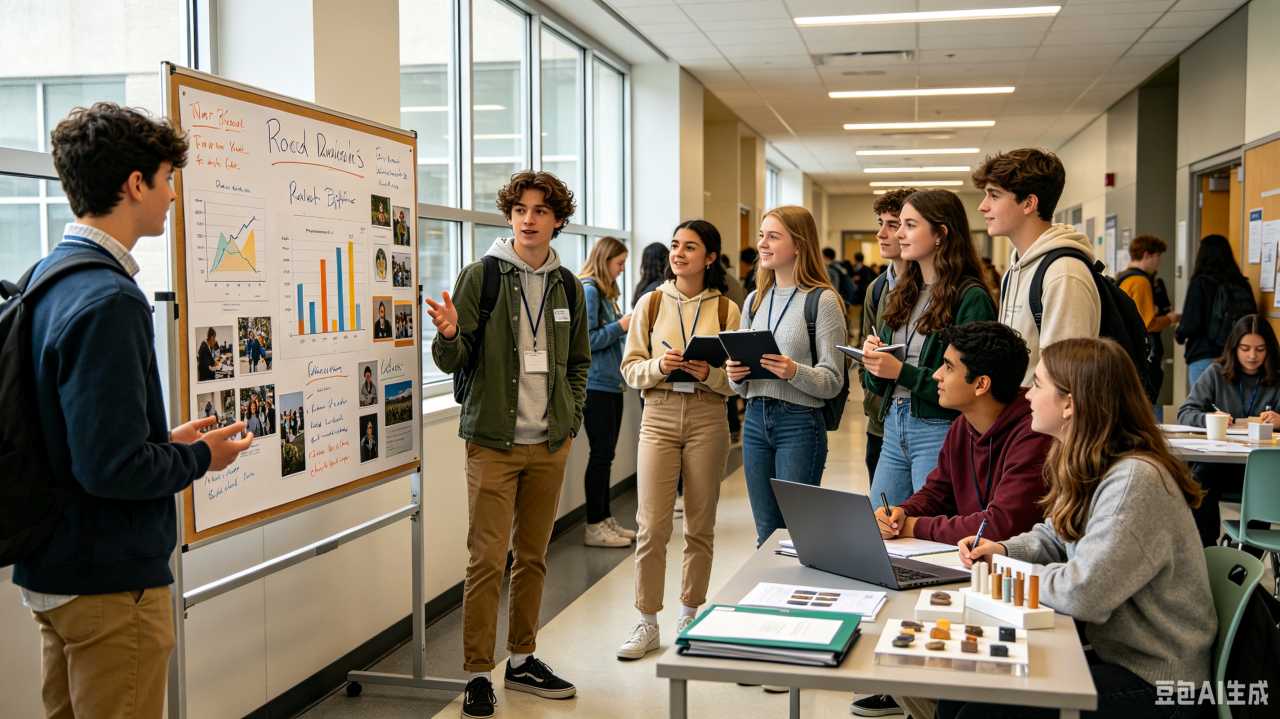
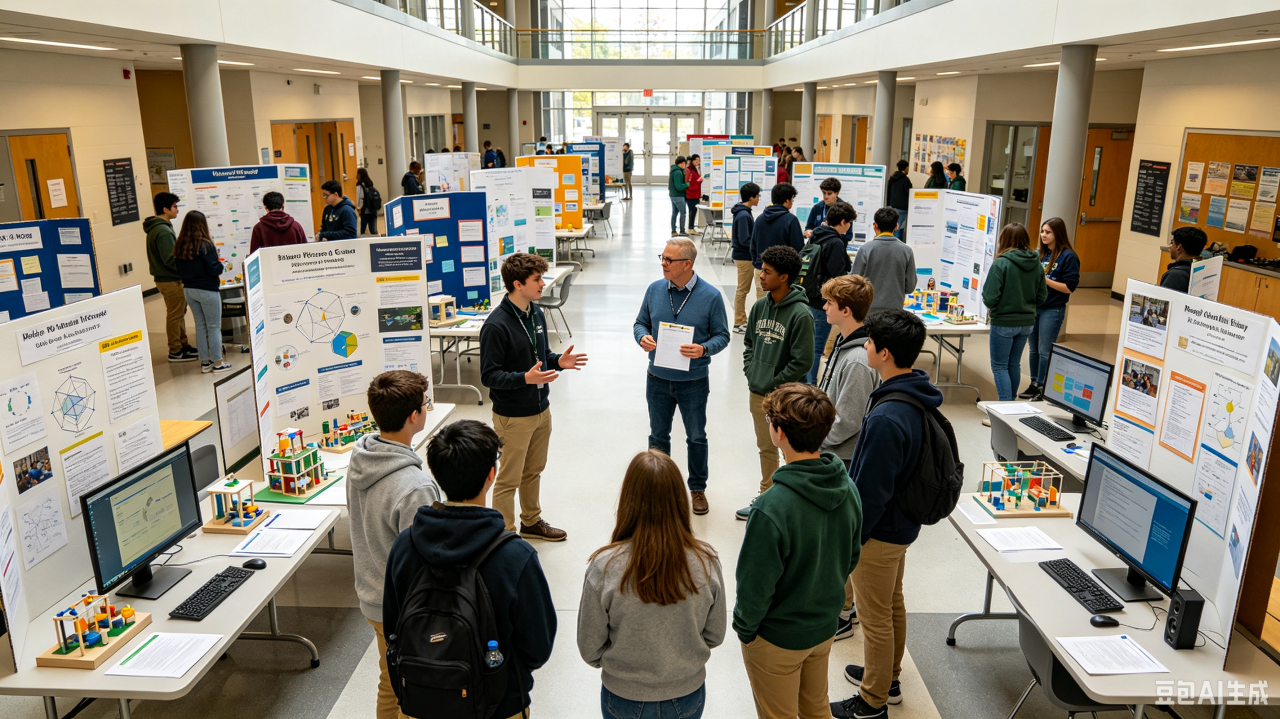
PBL does not end with a submitted report—it culminates in public sharing and reflection. Bring all group members to the front, have them collaboratively present their outcomes, and field questions. This dramatically boosts student ownership and makes learning visible and transferable—a critical step for deep understanding.
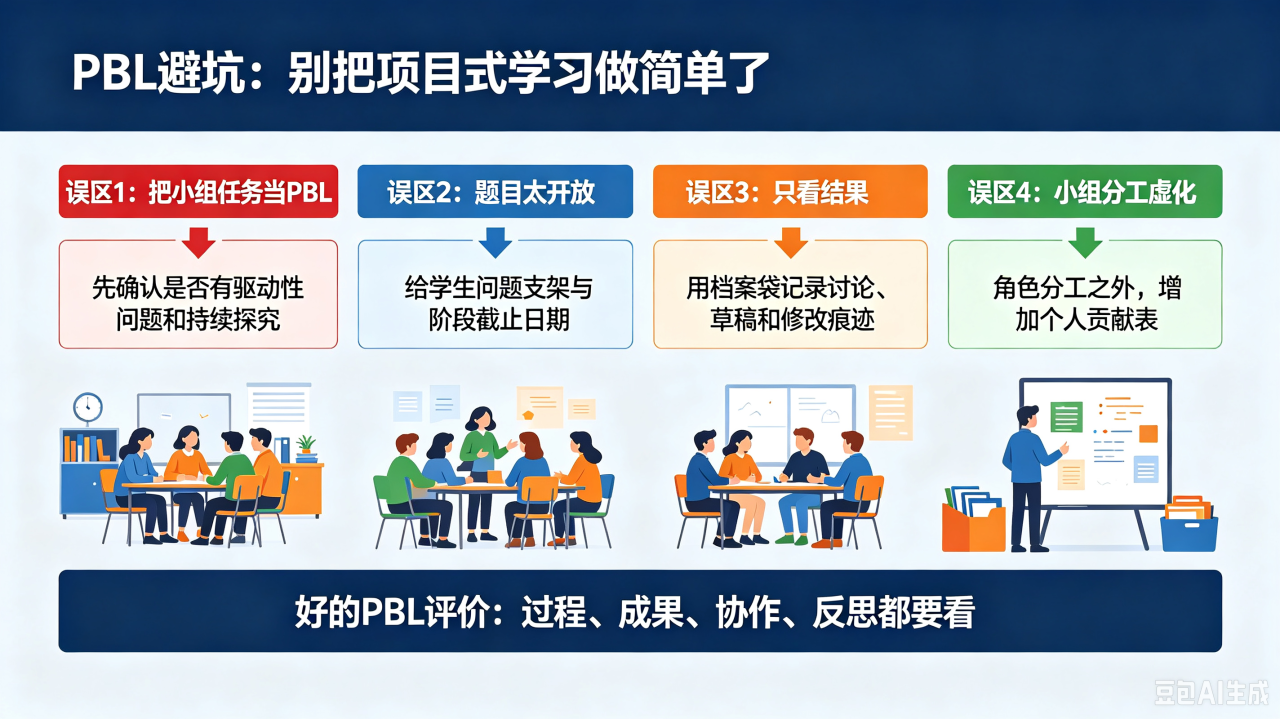
IV. Beginner’s Pitfall Guide: Four Common Traps and Their Antidotes
When launching PBL for the first time, these missteps are most common—pay close attention:
Trap: Mistaking a “group task” for PBL.
Antidote: Check whether your project has a driving question and involves sustained inquiry. If it’s just a craft that a group can finish in one session, it’s an activity, not PBL. True PBL demands ongoing collaboration, reflection, and iterative refinement leading to a final output.
Trap: Posing a question so open-ended that students feel lost.
Antidote: Provide scaffolding and milestone deadlines. Example: Week 1 – finalize topic; Week 2 – submit resource list; Week 3 – complete draft; Week 4 – exchange feedback; Week 5 – present.
Trap: Focusing only on the “product,” ignoring the “process.”
Antidote: Use process portfolios—collect discussion notes, drafts, and revision traces. In evaluation, weigh process equally with outcomes. Embed checkpoints like mid-term presentations and weekly team updates, with peer feedback, instructor comments, and appropriate scoring.
Trap: “One does the work, three watch.”
Antidote: Beyond role charts, require a personal contribution log in the final report, detailing each member’s specific tasks. Empower the team leader to assess and grade members’ process performance and contributions.
Transitioning to PBL is a deliberate act of “letting go.” It asks teachers to step down from the lecture podium and step into the role of coach. Yes, it’s challenging—but when you witness the spark of enthusiasm and creativity your students unleash as they tackle real problems with authentic knowledge and inquiry, you’ll know it’s more than worth it. If you can weave the core principles and design patterns of PBL into semester plans, unit outlines, or even student club activities and competition coaching, your students will, through tangible, practiced habits, naturally “grow” the critical thinking, collaboration, communication, and self-directed learning skills that define tomorrow’s leaders.
希望这份简易入门指南,能成为您迈出PBL教学第一步的清晰路标。实践出真知,不妨就从设计一个新学期马上能用的小项目开始吧。
We hope this brief, accessible guide serves as a clear signpost for your first steps into PBL. Ultimately, practice makes perfect—so why not start small with a project you can roll out in the upcoming semester? The journey begins now.
Griggs China
HongKong : Room 1911, Lee Garden One, 33 Hysan Avenue, Causeway Bay, Hong Kong
Guangzhou : Rm 811, No.10, Guanhong Road, Huangpu District, Guangzhou
Shanghai : Rm 2011, Sky Mansion, No.2077, Huangxing Rd, Yangpu District, Shanghai
Email : admin@griggs.cc / hli@griggs.cc
Griggs Headquarters
Michigan : 8903 U.S. Hwy 31, Berrien Springs, MI, US 49104-1950
Maryland : 12501 Old Columbia Pike, Silver Spring, MD, US 20904
Griggs Europe
Marlins Turn, 23 Hemel Hempstead, Hertfordshire, UK, HP1 3LQ
Griggs Brazil
Email : jose.roberto@griggsk12.com
All content is © Copyright 2025 Griggs International Academy
Griggs China is fully authorized by Griggs International Academy USA to develop and provide services to Griggs School in China. Griggs China is a separate entity from Griggs International Academy USA and is not owned or operated by Andrews University.